About
Planning in Action: Strengthening Resilience of African Cities and Urban Centres

We need to build strong partnerships
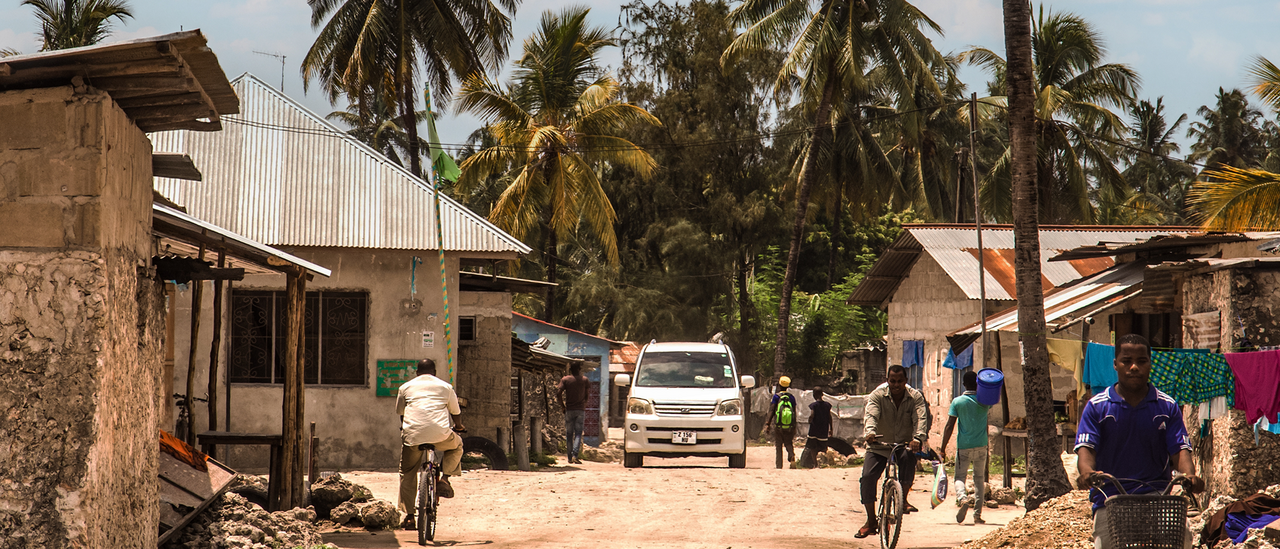
There is an urgent need for collective action to strengthen urban resilience in Africa. In 2024, the African Union endorsed the Africa Urban Resilience Programme (AURP), which provides a new continental framework for reducing risks and building resilience in cities through strategic investments, partnerships, and collaboration. However, a major challenge remains: the limited engagement of urban and municipal leaders in championing and delivering this agenda at scale. Cities and municipalities are critical actors; they hold the political mandate, proximity to communities, and ability to drive transformative local action. Yet their potential remains underutilised.
Introducing the Initiative
“Planning in Action: Strengthening Resilience of African Cities and Urban Centres” seeks to directly respond to this challenge and opportunity. By enhancing institutional and governance capacities, strengthening partnerships, and mobilising political capital for risk-informed urban development, this initiative will reimagine what action planning for urban resilience means in African contexts. It will convene municipal and city leadership across the continent, enabling co-production of solutions that are inclusive, nature-sensitive, climate-smart, and equity-driven. Planning in Action serves as a focused mechanism to cascade the continental vision of the Africa Urban Resilience Programme (AURP) down to the local level, ensuring that African cities pioneer inclusive, low-carbon models for the future.
Key Partners
- ICLEI Africa: its network reaches over 450 cities and regions in 53 countries across the continent.
- African Union Commission (AUC): provides the continental framework and strategic alignment for urban resilience in Africa.
- GIZ’s Resilience Initiative Africa (RIA): strengthens urban disaster and climate risk management in Africa.
Objective
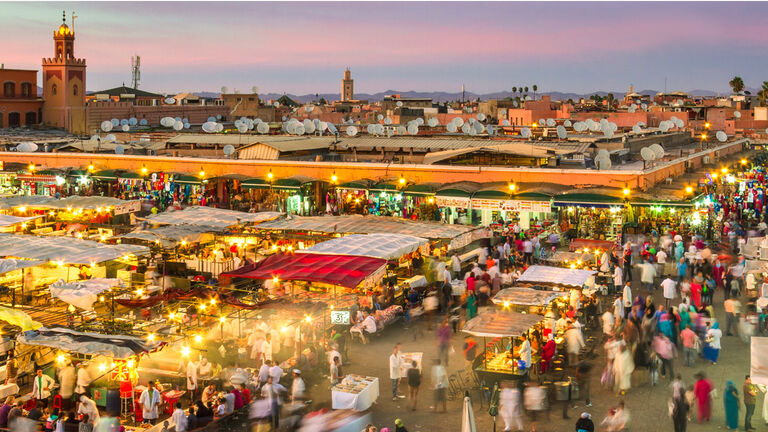
To convene twenty diverse city and municipality leaders from across Africa to share knowledge and experience, and co-produce a flagship, seminal vision and action document for urban resilience, to reinforce the role of cities and municipalities in advancing Africa’s urban resilience agenda, aligned with the African Union’s Africa Urban Resilience Programme (AURP).
Why is this relevant?
Urban resilience in Africa is not only a continental necessity but a global imperative. The world’s eyes are on Africa’s development trajectory: whether it will follow carbon-intensive, exclusionary pathways or whether it can pioneer inclusive, low-carbon, and resilience-building models. With targeted support and supporting innovative initiatives already underway, Africa’s cities can become global leaders in delivering transformative urban resilience, demonstrating that development and climate action are not mutually exclusive but mutually reinforcing.
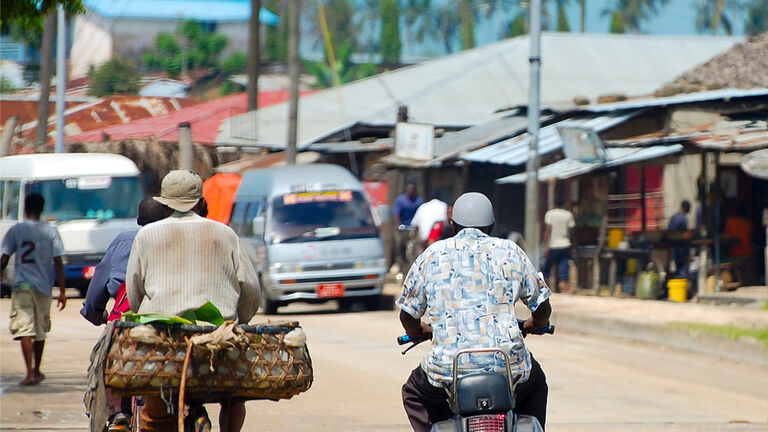
Africa’s cities are undergoing one of the most profound urban transitions in history. By 2050, the continent's urban population is expected to more than double, creating both opportunities for economic transformation and risks exacerbating vulnerabilities. While rapid urbanisation could be a driver of stability and growth, without deliberate planning, it has become a major source of disaster risk, undermining development gains. Already, over 90% of the world’s fastest-growing cities are considered to be at “extreme climate and disaster risk.” This reality underscores the urgent need for collective action to strengthen urban resilience in Africa.
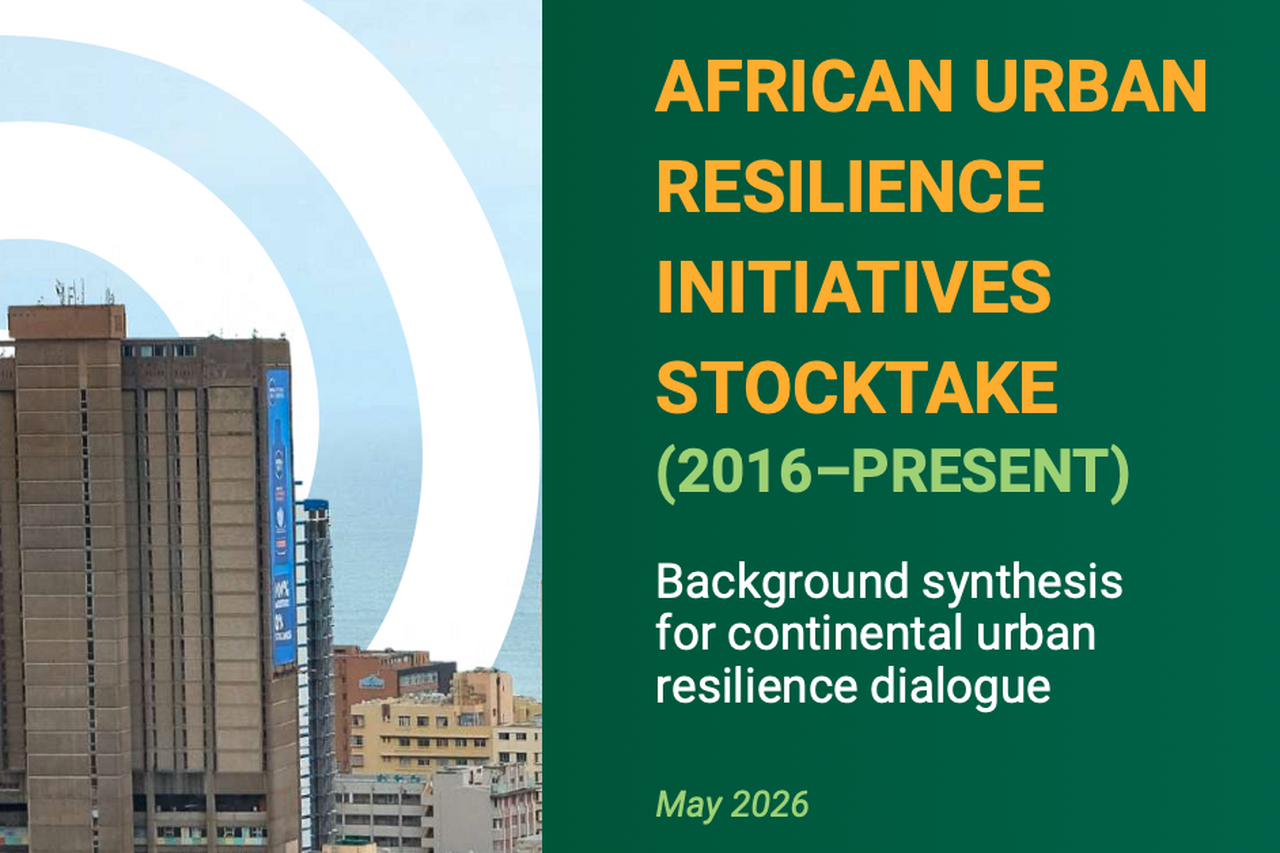
African Urban Resilience Initiatives Stocktake (2016–PRESENT)
A key first step in this process to coproduce a continental vision and action framework for urban resilience was a strategic mapping and stocktake of recent and ongoing urban resilience initiatives across Africa, aimed at identifying who is doing what, where, and with what thematic focus. This stocktake document provided a high-level overview of the key findings from this process, as foundational elements for a continental policy dialogue that was conducted in Cape Town, South Africa (27-29 May 2026). The Continental Policy Dialogue and Vision Leaders’ Engagement on Urban Resilience in Africa brought together governors, mayors, leaders, academia and development partners from across the continent to collectively shape a shared vision and action agenda for urban resilience in Africa. You can find the opening remarks of Gareth Morgan, Executive Director of Future Planning and Resilience in the City of Cape Town here.
Download the Stocktake (2016-present) here: