Strengthening Regional Risk Preparedness
Strengthening Regional Risk Preparedness: SADC INFORM Partners' Strategic Mission to the SADC Humanitarian and Emergency Operation Center (SHOC) in Nacala, Mozambique
Severe flooding and tropical storms are wreaking havoc in Southern Africa, claiming lives and displacing thousands. In Mozambique, floods have already killed over 27 people, while Madagascar’s Cyclone Gezani has caused at least 38 fatalities. These events highlight the urgent need for strengthened regional preparedness and risk information systems to anticipate and mitigate such disasters.
As communities confront rapidly intensifying weather conditions, Nacala has become a strategic hub for regional disaster preparedness, serving as the host of the SADC Humanitarian and Emergency Operations Centre (SHOC). Against this backdrop, partners join forces at a crucial moment to reinforce early warning systems and strengthen the region’s capacity to anticipate and respond to crises before they claim more lives and livelihoods.
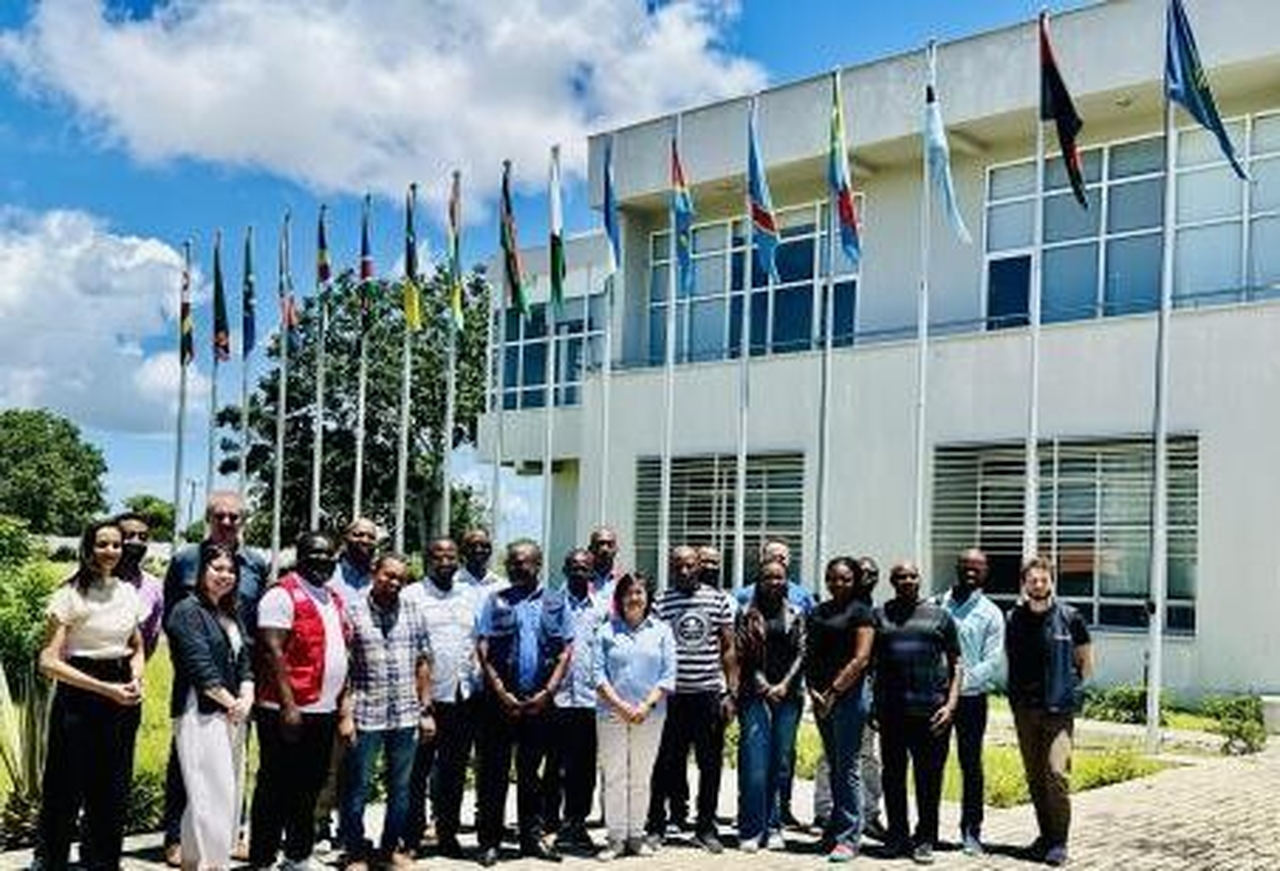
In response to these escalating risks, the German Government, through GIZ’s Resilience Initiative Africa (RIA) project, in collaboration with the Southern African Development Community (SADC) Secretariat and other INFORM Subnational Risk Model technical partners, undertook a pre-workshop mission from 6-9 February to the SADC Humanitarian and Emergency Operations Centre (SHOC) in Nacala, Mozambique. The mission assessed SHOC’s infrastructure and institutional readiness to sustainably host the INFORM model as a regional platform for risk information management, multi-hazard early warning systems, and capacity development across SADC Member States.
Assessing Readiness for the INFORM Risk Model
The INFORM Subnational Risk Model is designed to provide a sustainable regional platform for risk information management by providing data-driven insights into regional vulnerabilities, multi-hazard early warning systems to strengthen the speed of response for member states, and capacity building that ensures the regional team has the expertise to manage complex crises. With the existing platforms at the SHOC, the INFORM data can be integrated into these platforms to show which areas are at risk. It will help the SHOC make informed decisions with greater confidence, ensuring actions for Member States and communities are reliable and evidence-based.
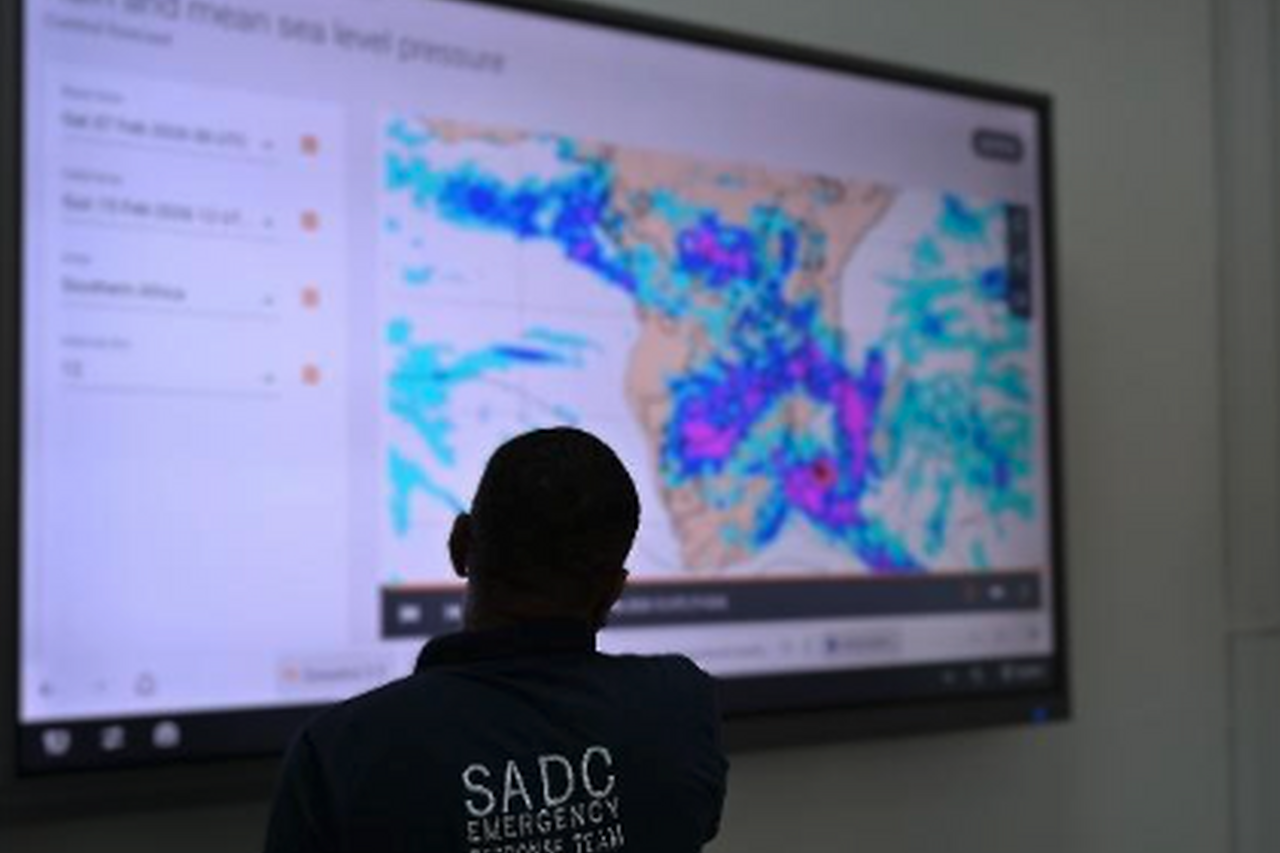
While in Nacala, SHOC demonstrated in real time how they operate and coordinate with member states as Tropical Storm Gezani tracked towards Madagascar and approaching Mozambique, highlighting the crucial role of timely warnings and communication in safeguarding lives and livelihoods.
A Collaboration for Regional Resilience
The mission features a broad collaboration of partners under the leadership and coordination of SADC Disaster Risk Reduction Unit (DRRU), including African Union Commission (AUC), GIZ, United Nations Development Programme (UNDP), World Food Programme (WFP), International Federation of Red Cross and Red Crescent Societies (IFRC), Map Action, Red Cross Associations, and the Google Research for Social Impact team, among others. These partners provide technical assessments and strategic inputs to ensure the SHOC serves as a sustainable hub for regional preparedness.
The mission provided a space for partners to show how their support contributes to the strategic sustainability of the INFORM model and make sure it can be cascaded further into the subnational level in the SADC member states.
By integrating the INFORM model directly into the SHOC’s situation room, SADC aims to move from reactive disaster management to a proactive, data-led approach that saves lives across Southern Africa.