Africa’s Urban Future: Resilient, Risk Informed, Ready
In partnership with the African Union Commission, the Resilient Initiative Africa is shaping new pathways for risk informed urban development. The African continent is increasingly exposed severe shocks as a result of climate change and the resultant extreme weather events, among other hazards. It is estimated that by 2030, 118 million Africans will face severe weather conditions.

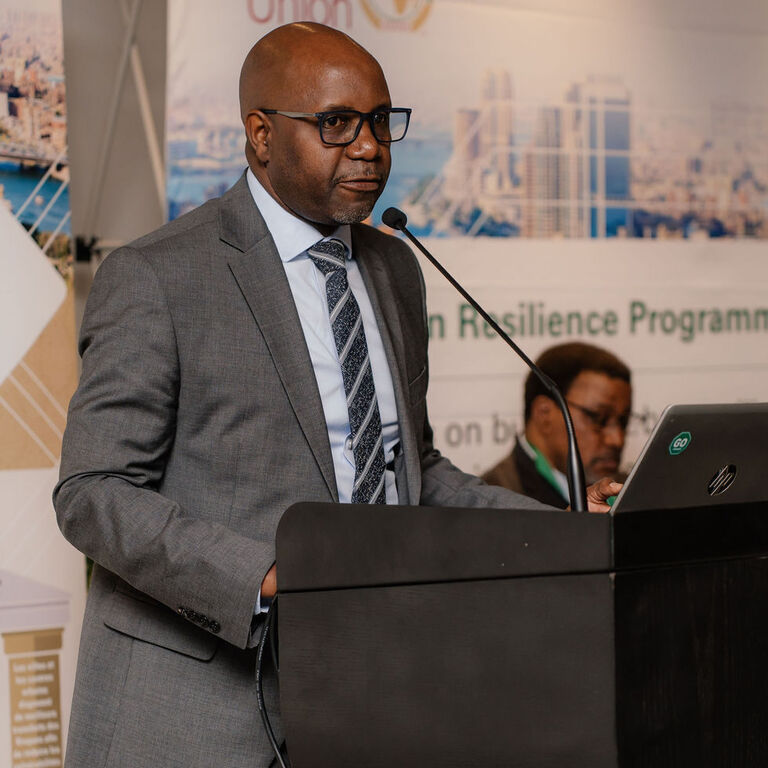
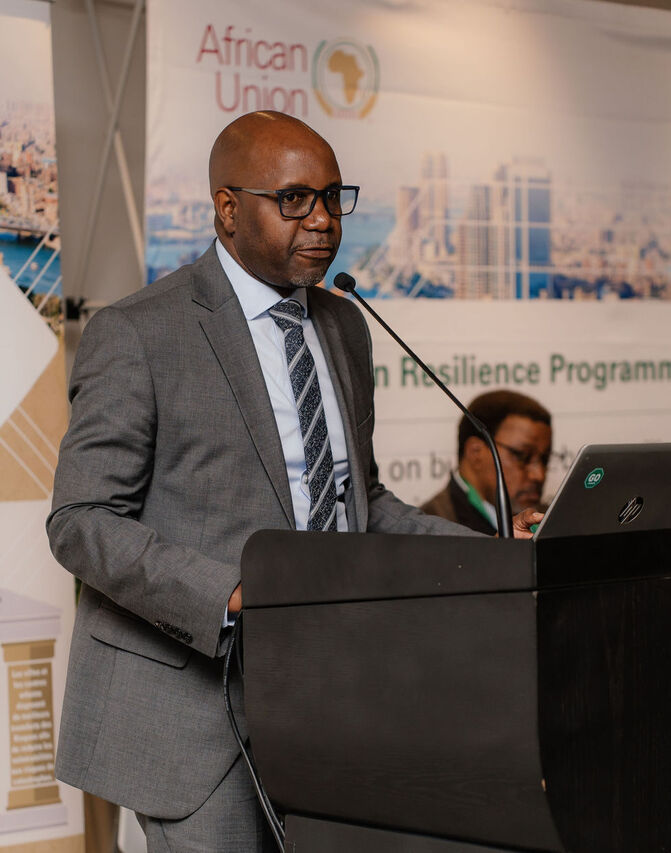
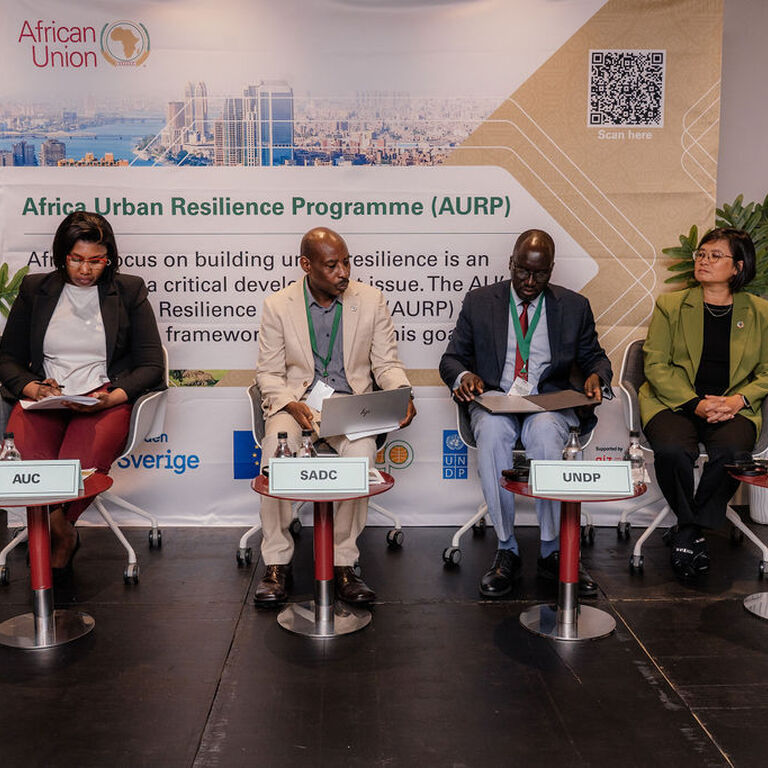
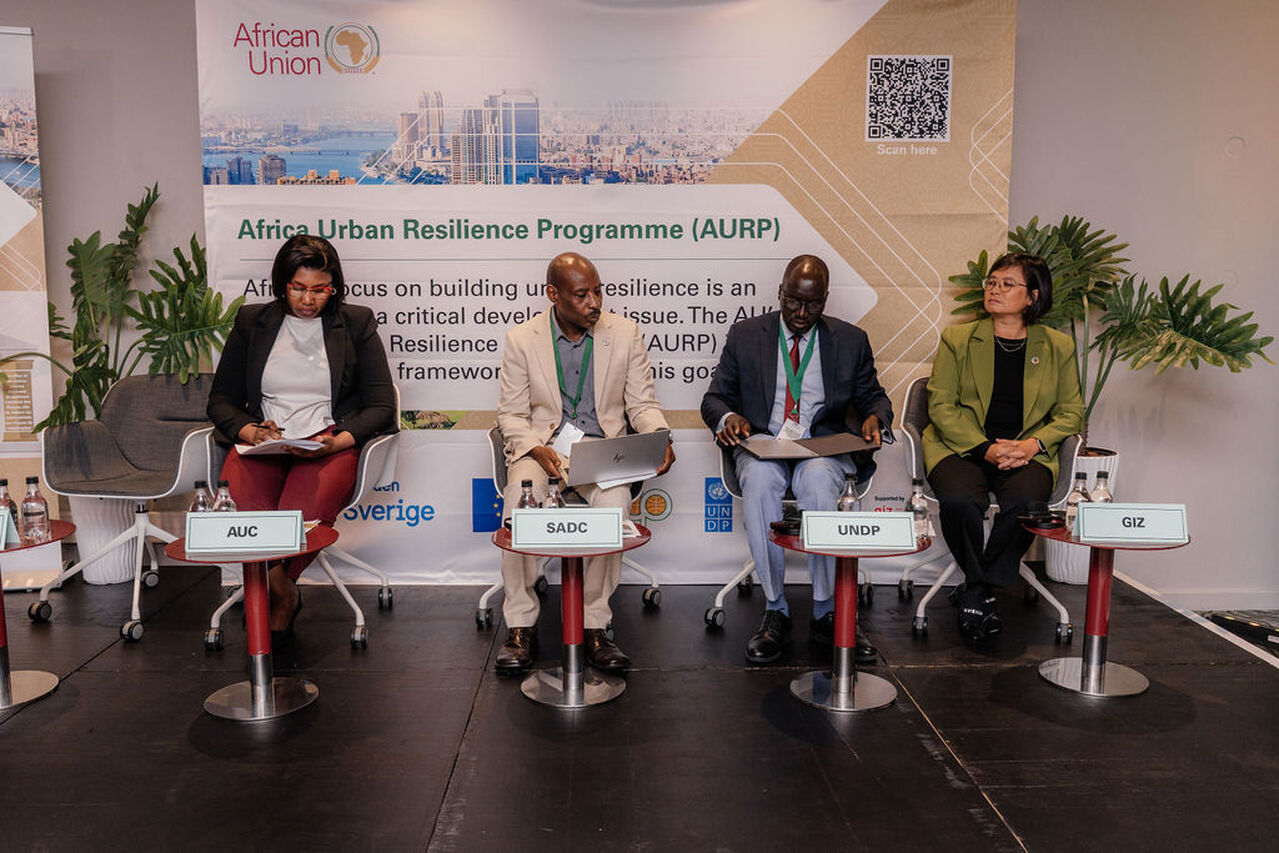
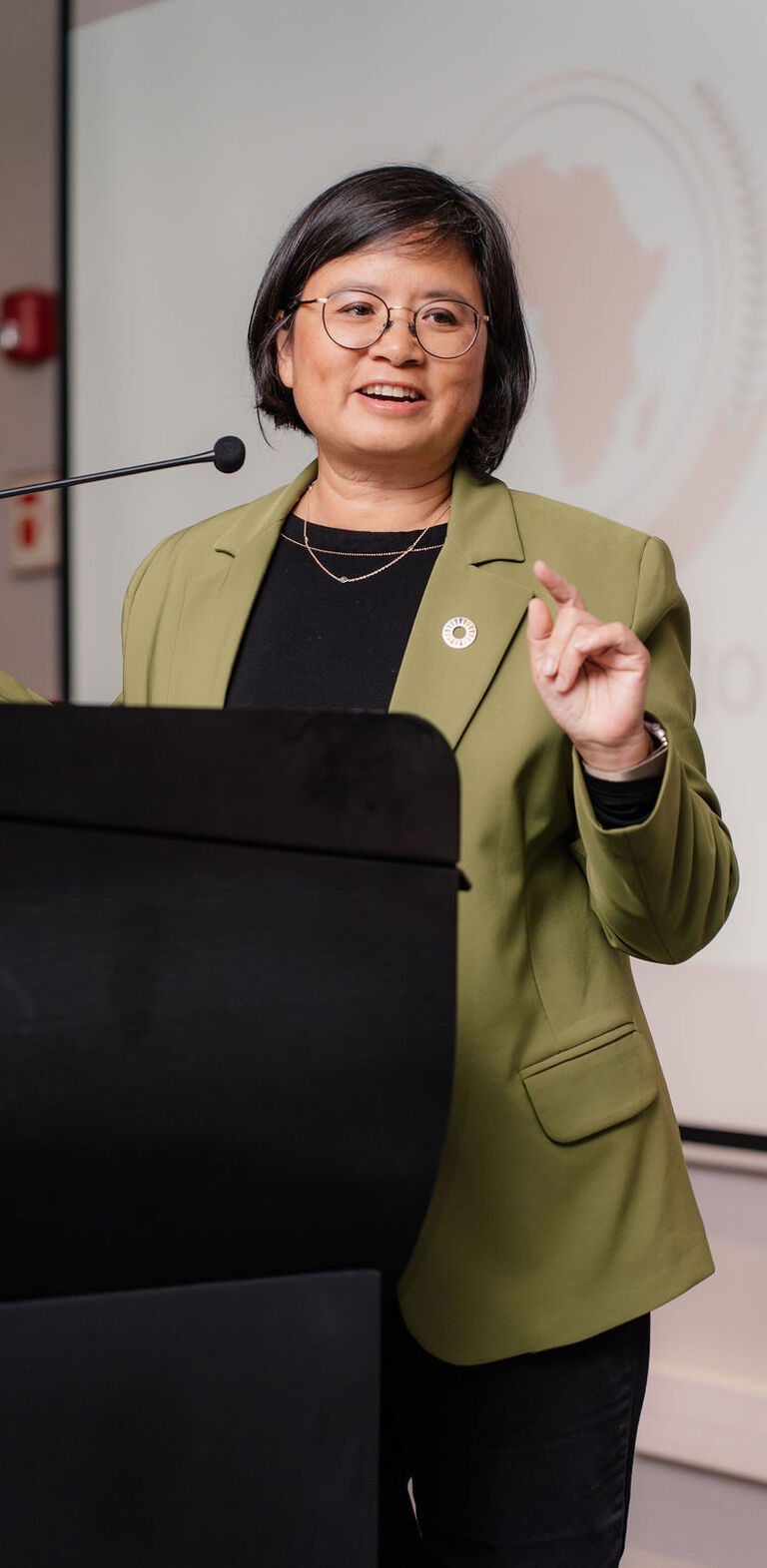
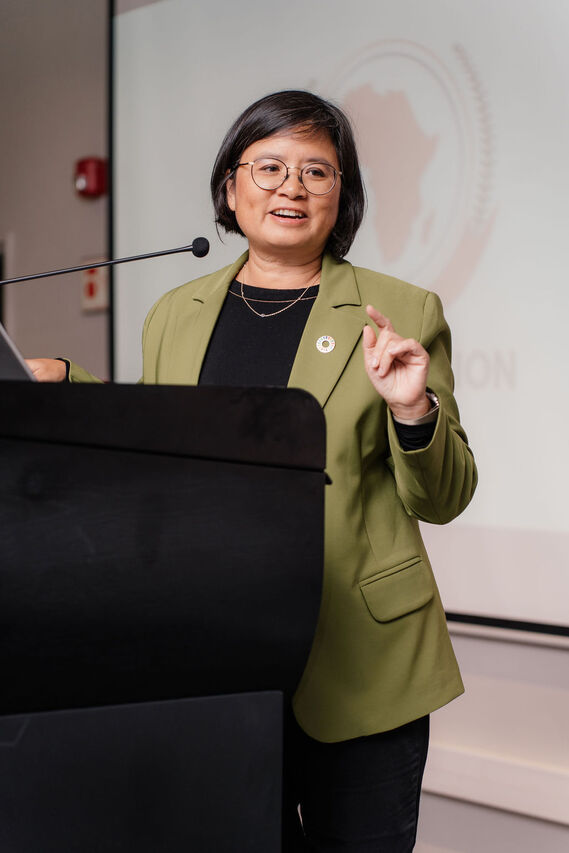
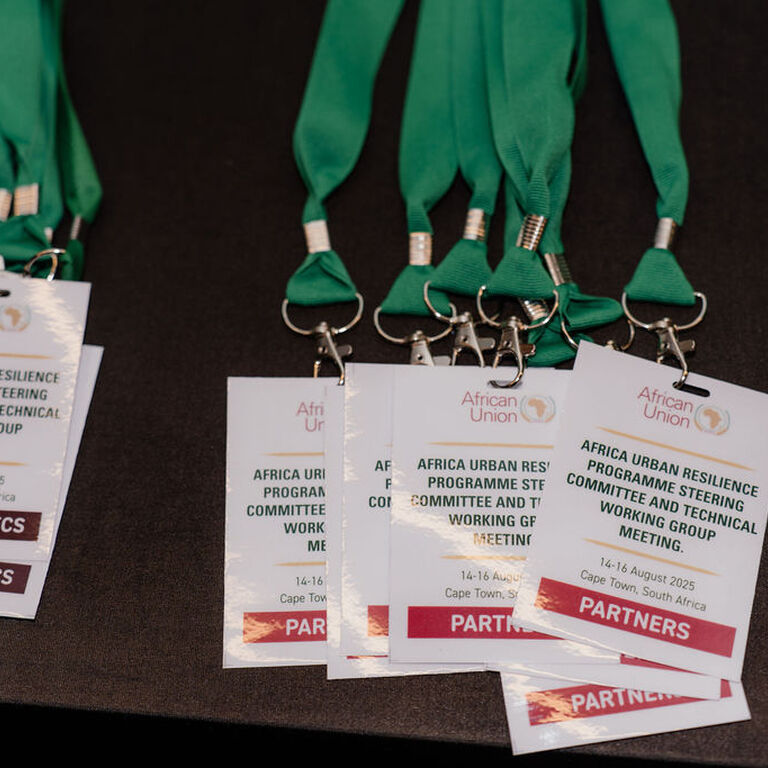
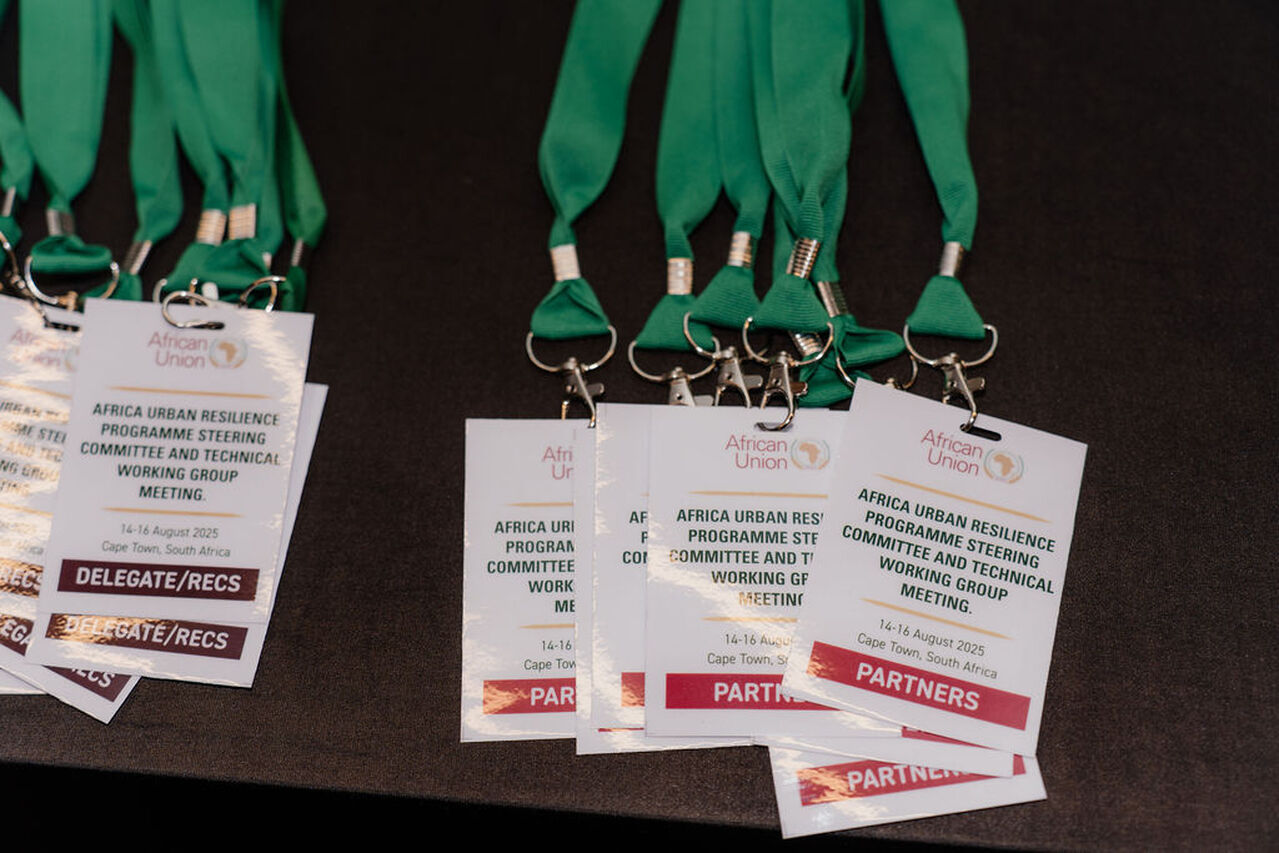
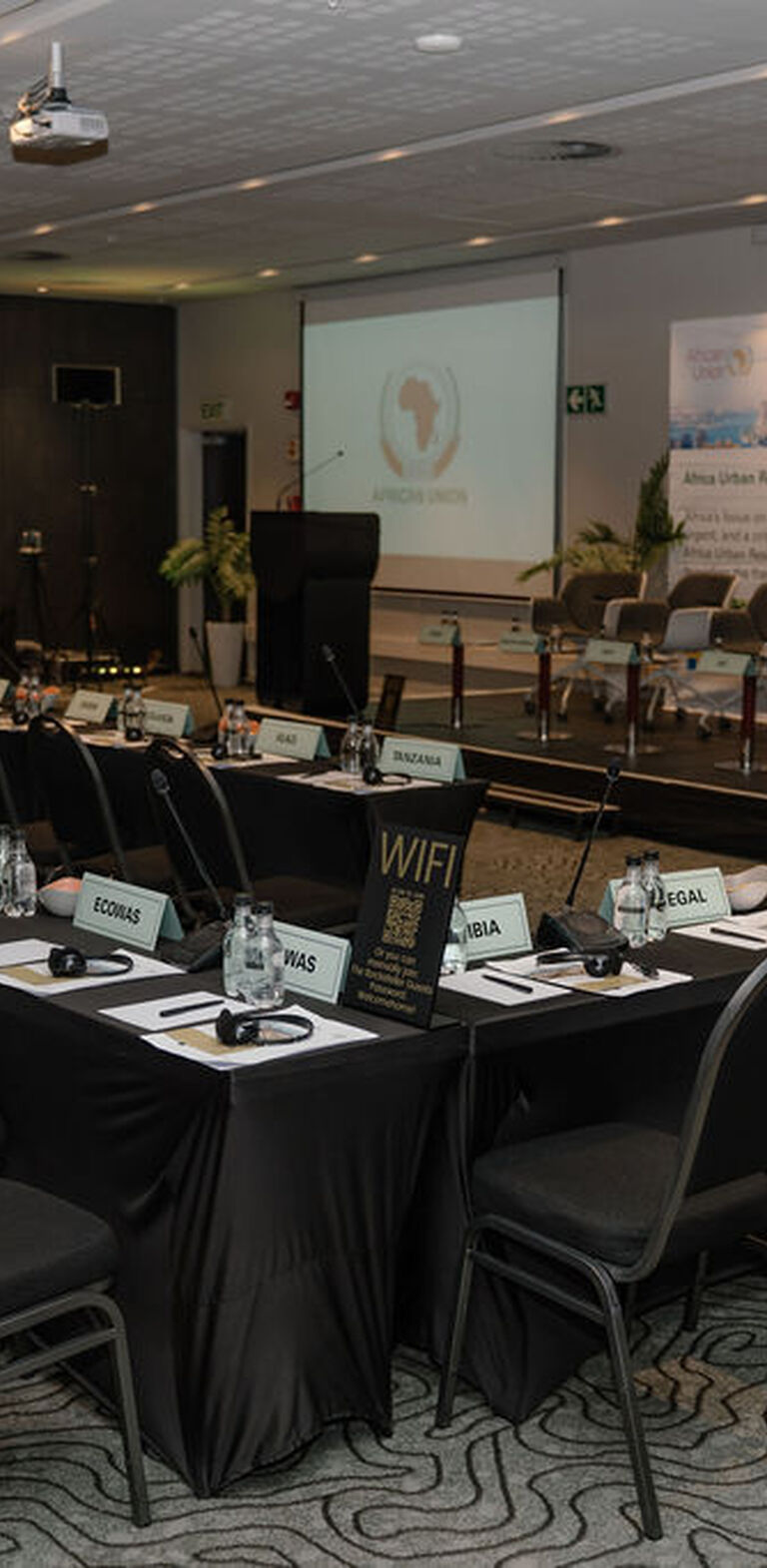
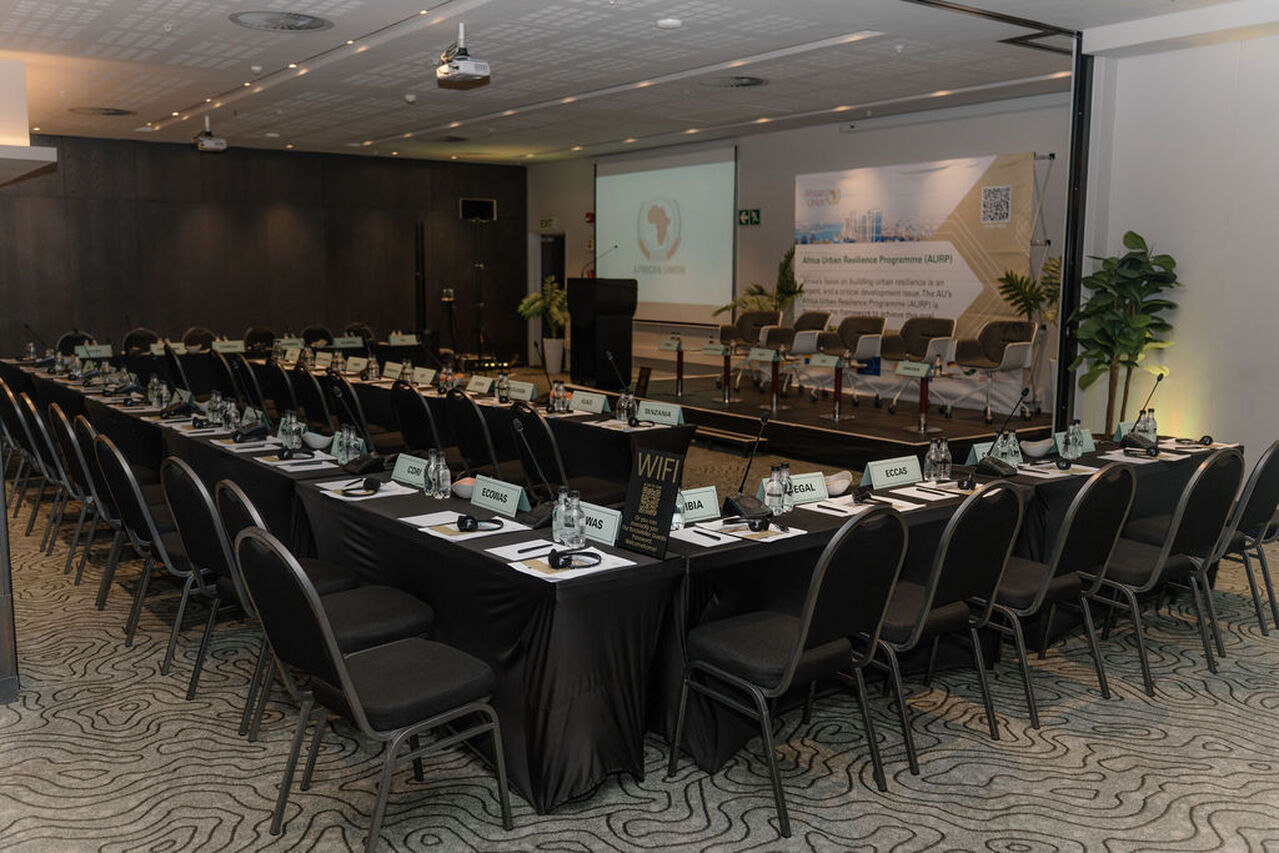
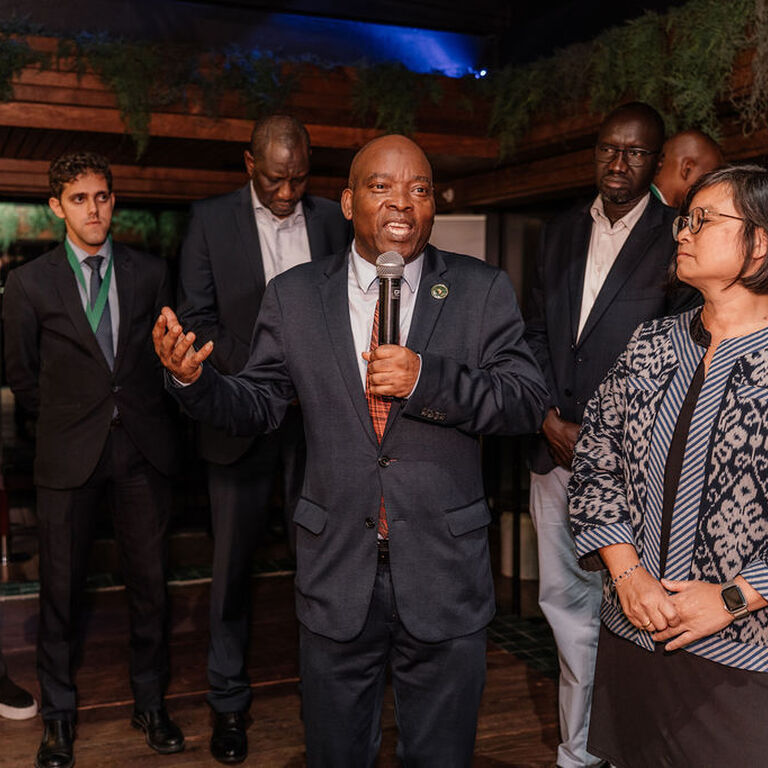
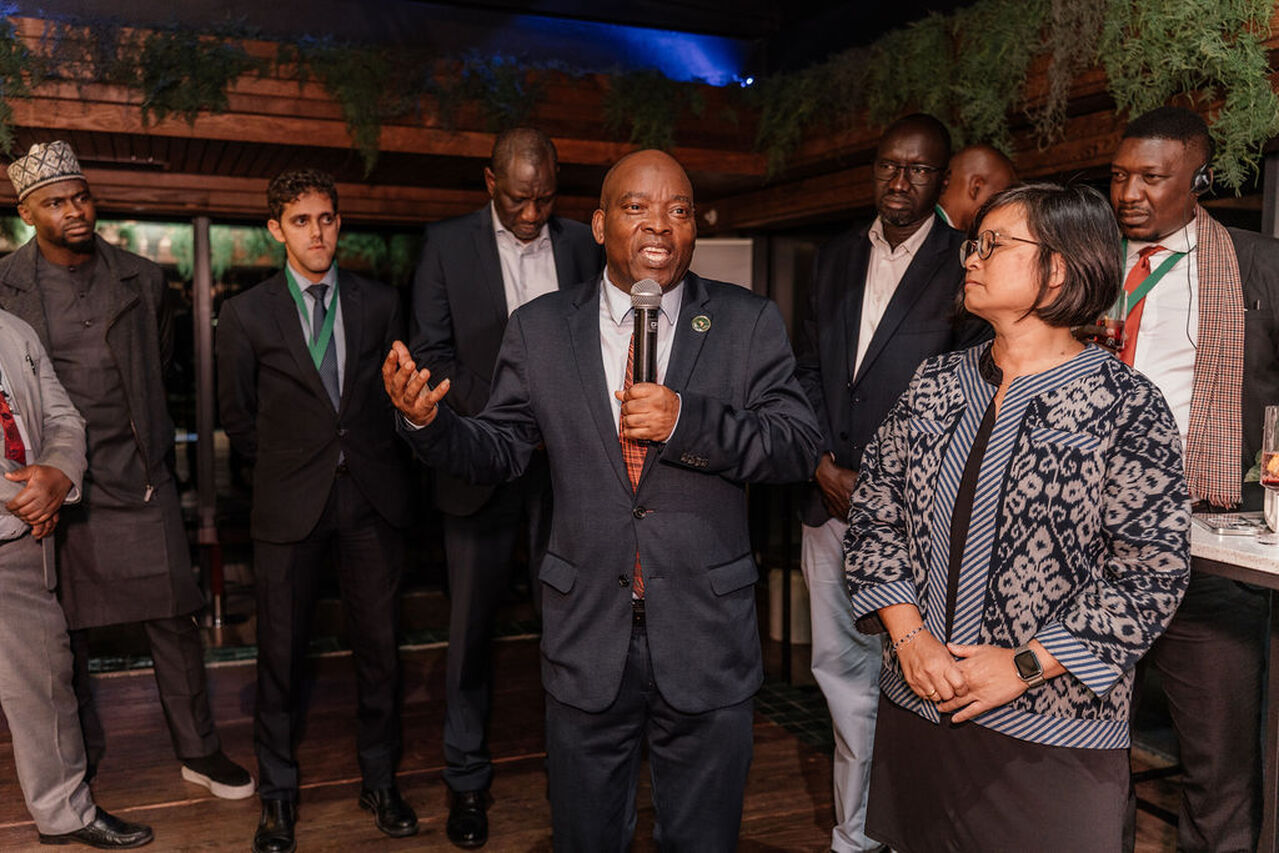
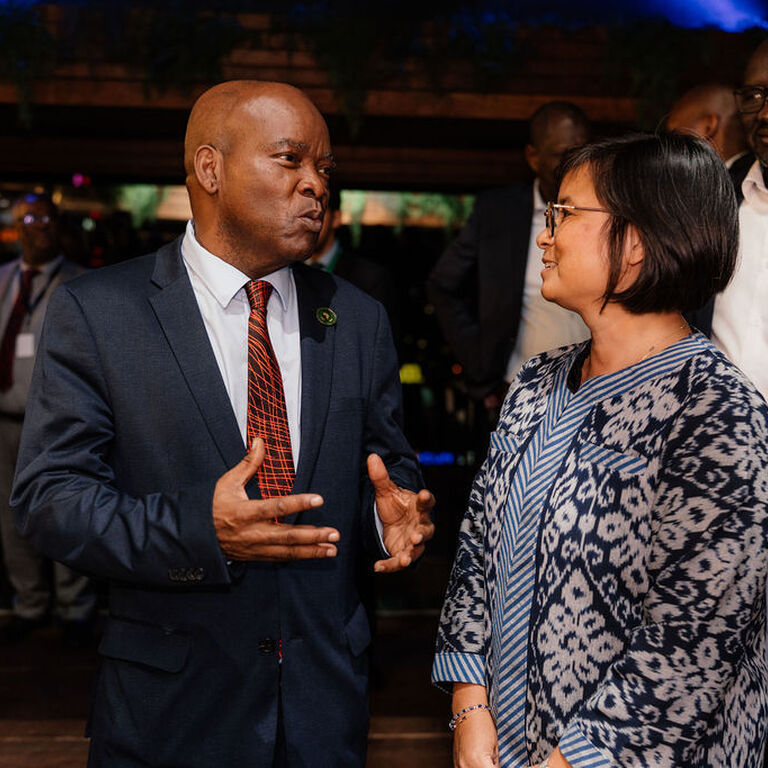
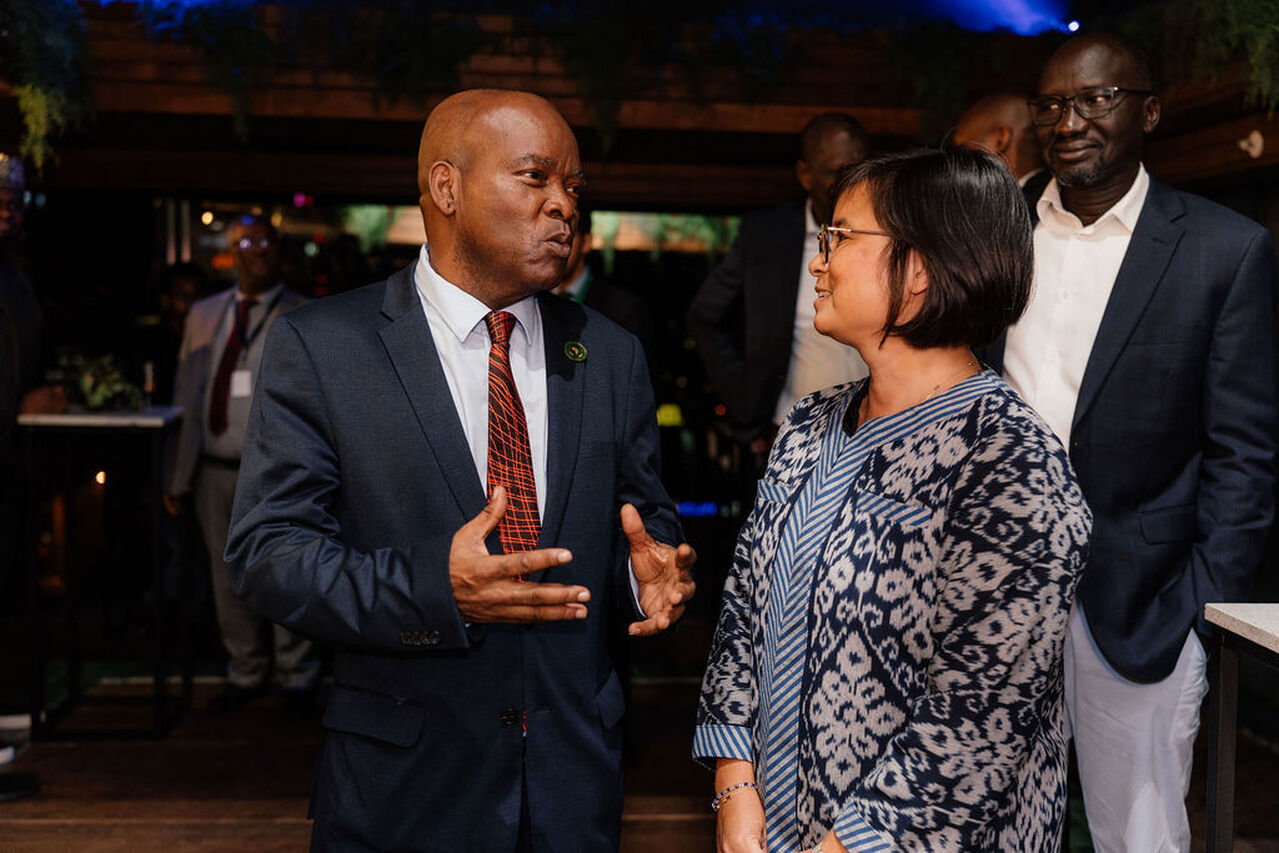
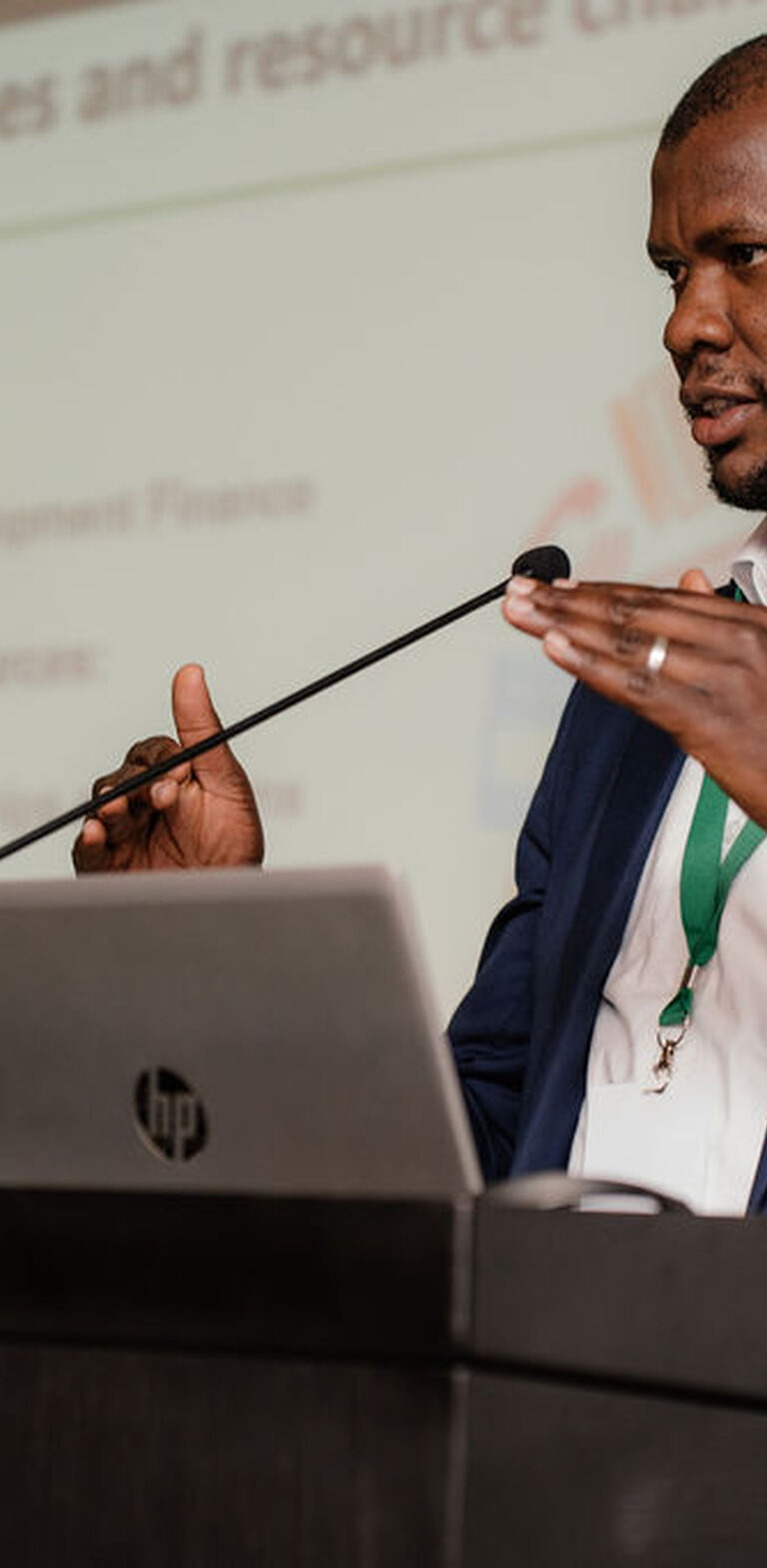
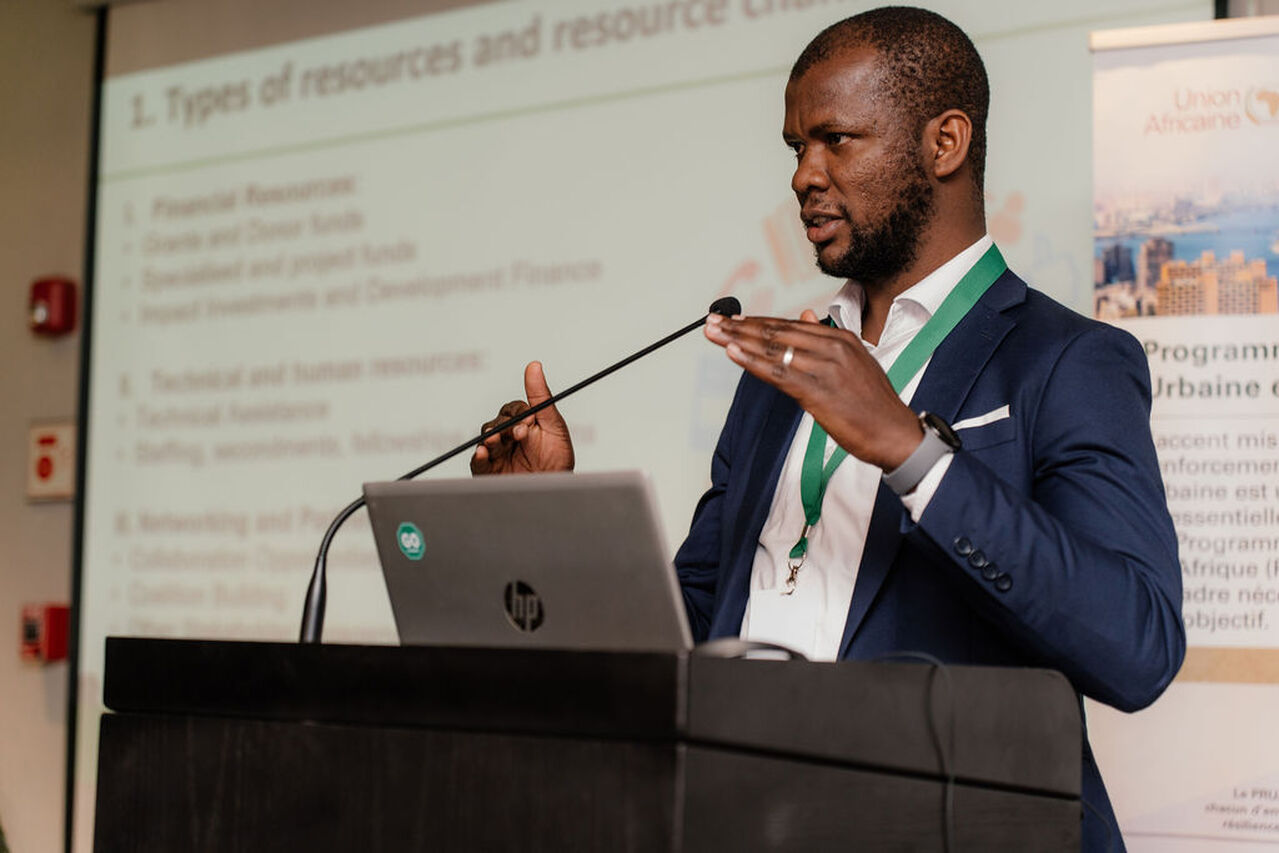
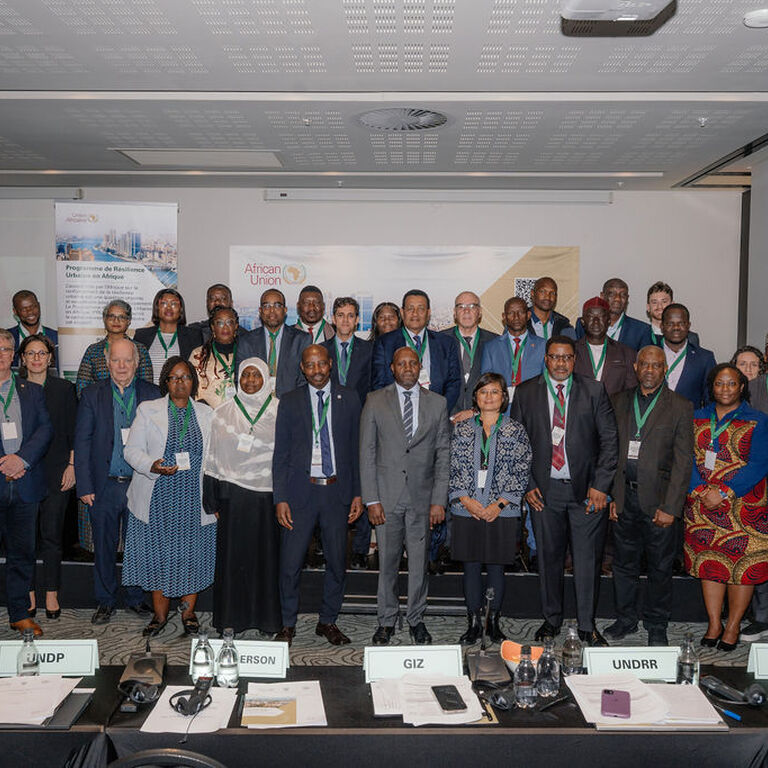
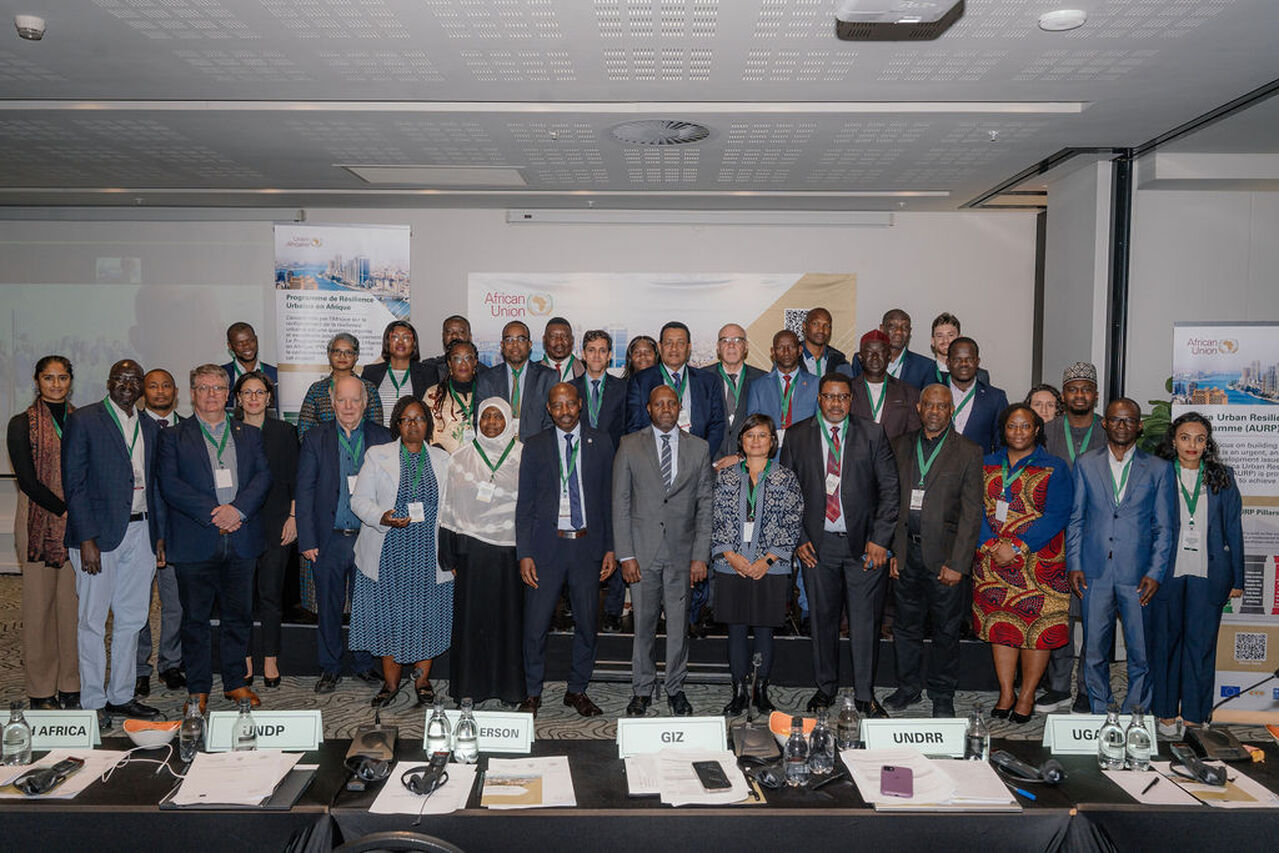
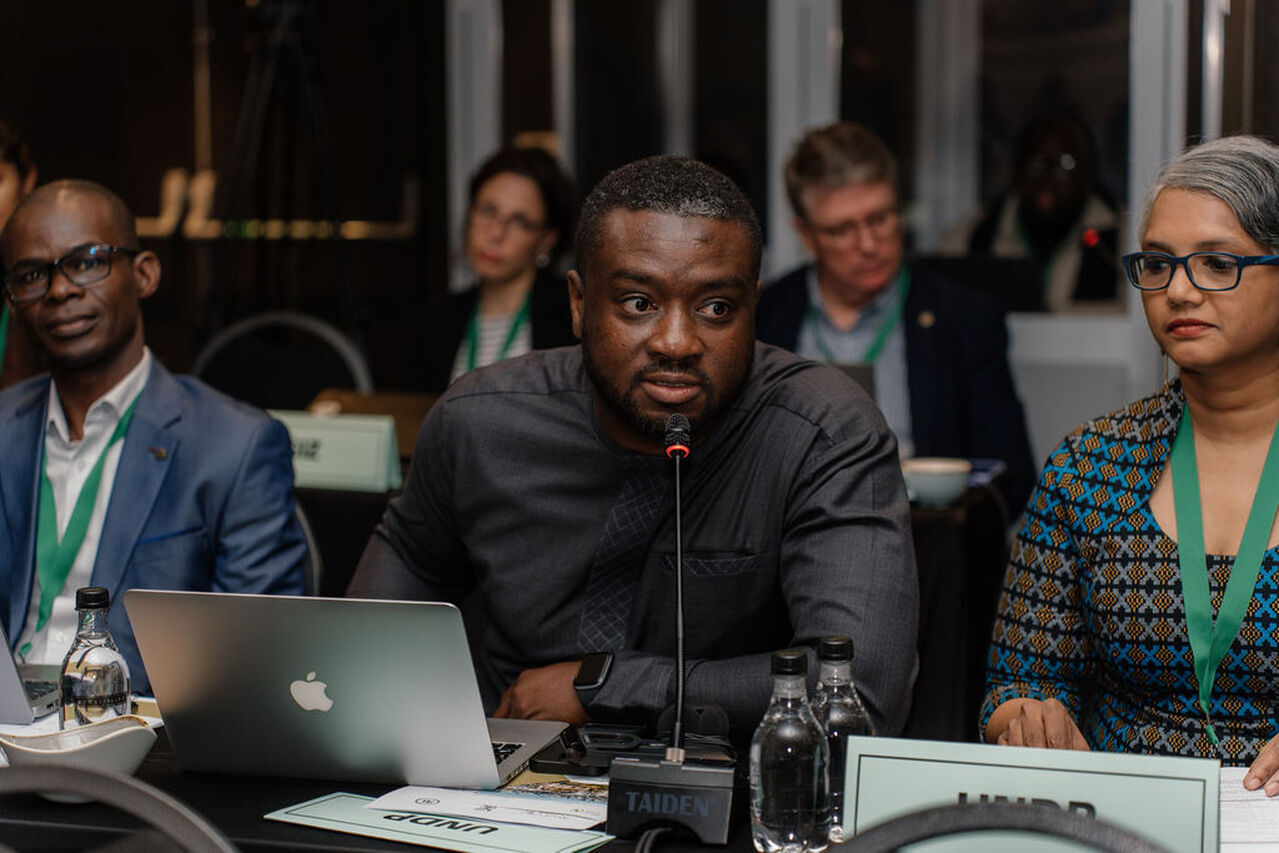
The loss and damage costs in Africa due to climate change are projected to range between US$ 290 billion and US$ 440 billion by 2030 (UNECA, African Climate Policy Centre). The African Union Commission (AUC) in partnership with the GIZ through the Resilience Initiative Africa, aims to address urban challenges by promoting resilience-building, risk-informed development and integrating climate change adaptation into urban development planning. The Africa Urban Resilience Programme (AURP) held its Inaugural Steering Committee and Technical Working Group Meeting, organized by the African Union Commission and hosted by the Government of the Republic of South Africa between 14th and 16th August 2025 in Cape Town.
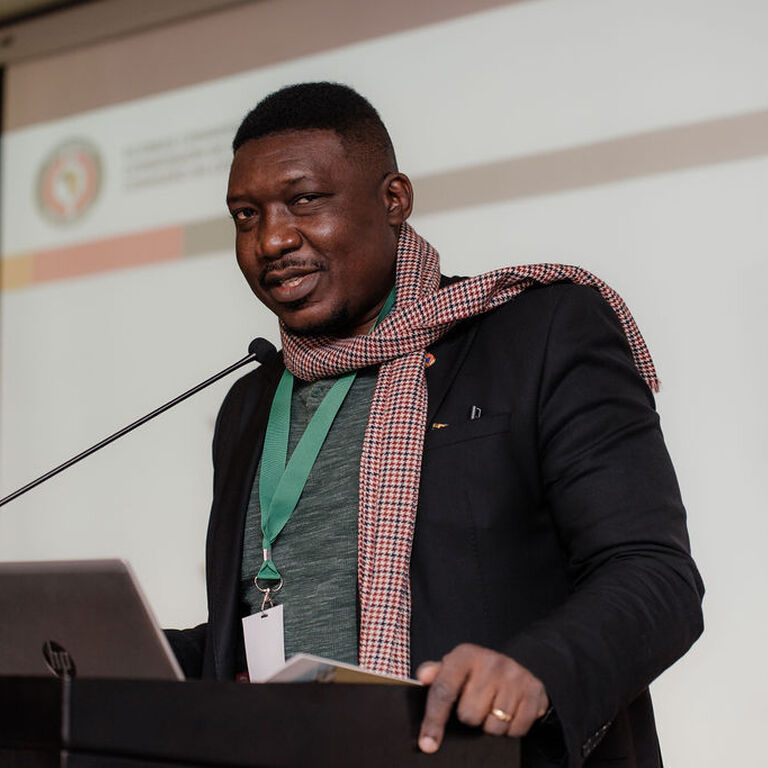
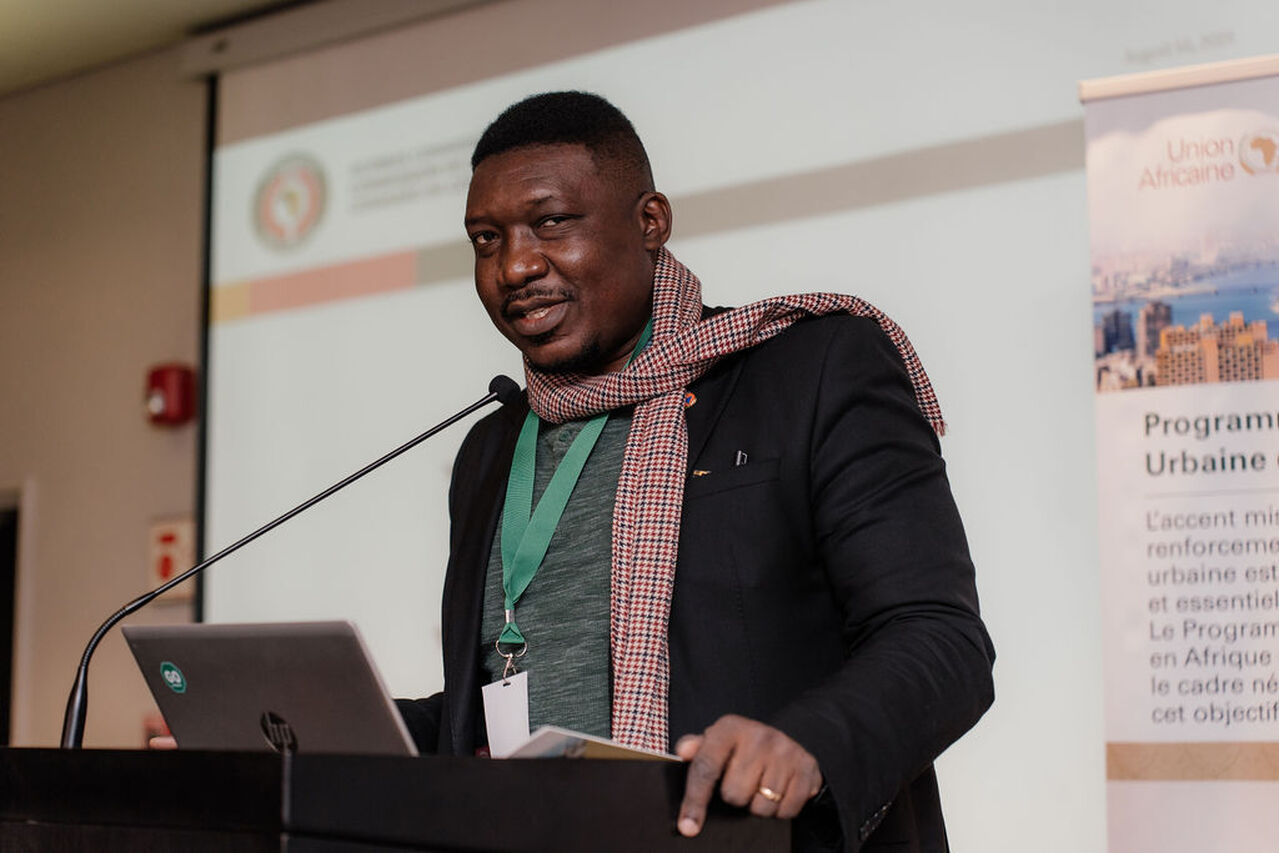
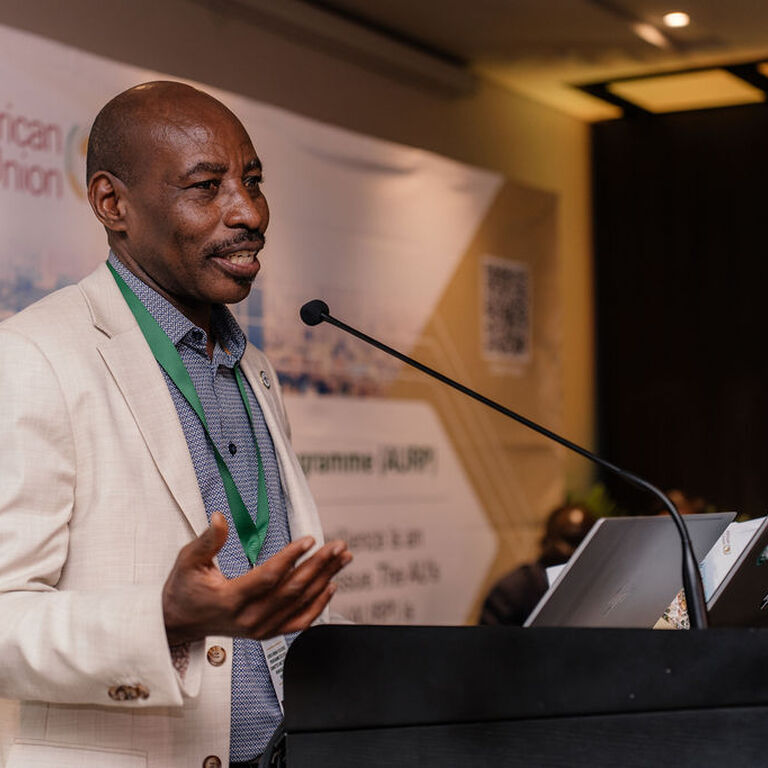
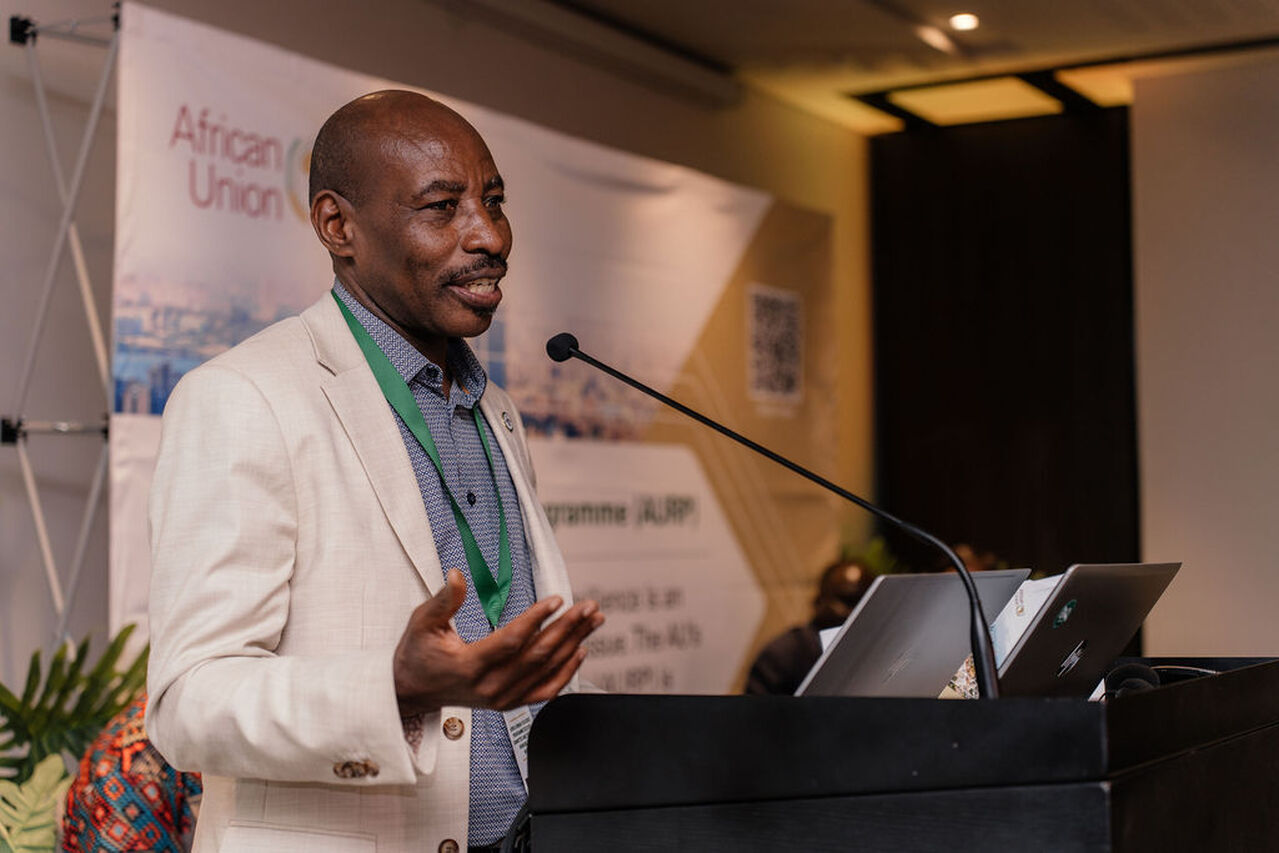
The meeting was chaired by Mr. Harsen Nyambe, AUC Director Sustainable Environment and Blue Economy and graced by H.E. Moses Vilakati, Commissioner for Agriculture, Rural Development, Blue Economy and Sustainable Environment (ARBE), who called for collective efforts for risk-informed urban development in Africa.
The BMZ Head of Division Operations in Africa, African Union German Development Cooperation, Mr. Ronald Meyer stressed in his opening remarks that “Germany‘s commitment to the AURP ensures that resilience efforts are embedded in shared frameworks, enabling countries to address risks that cross borders and require collective solutions.”
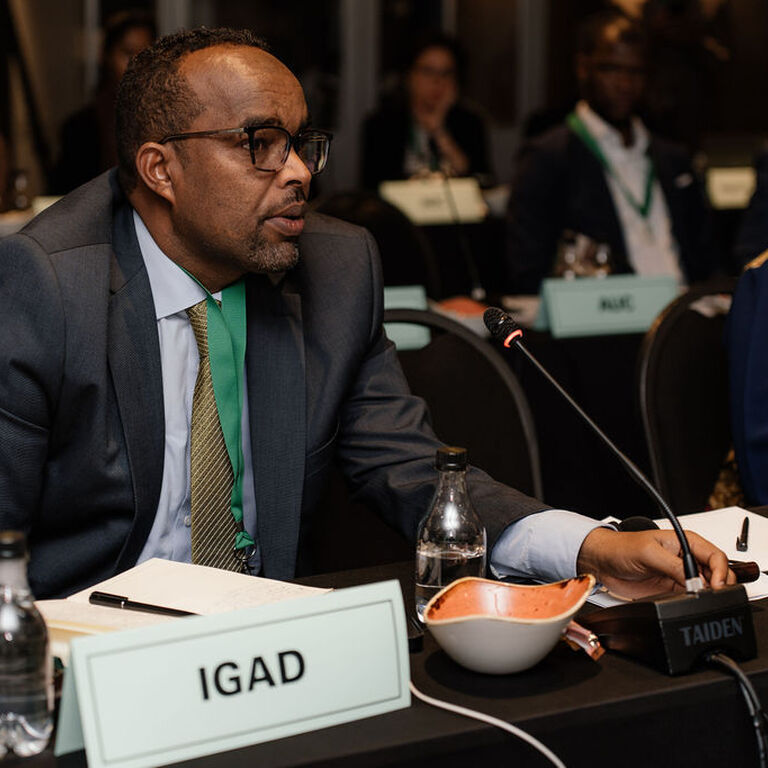
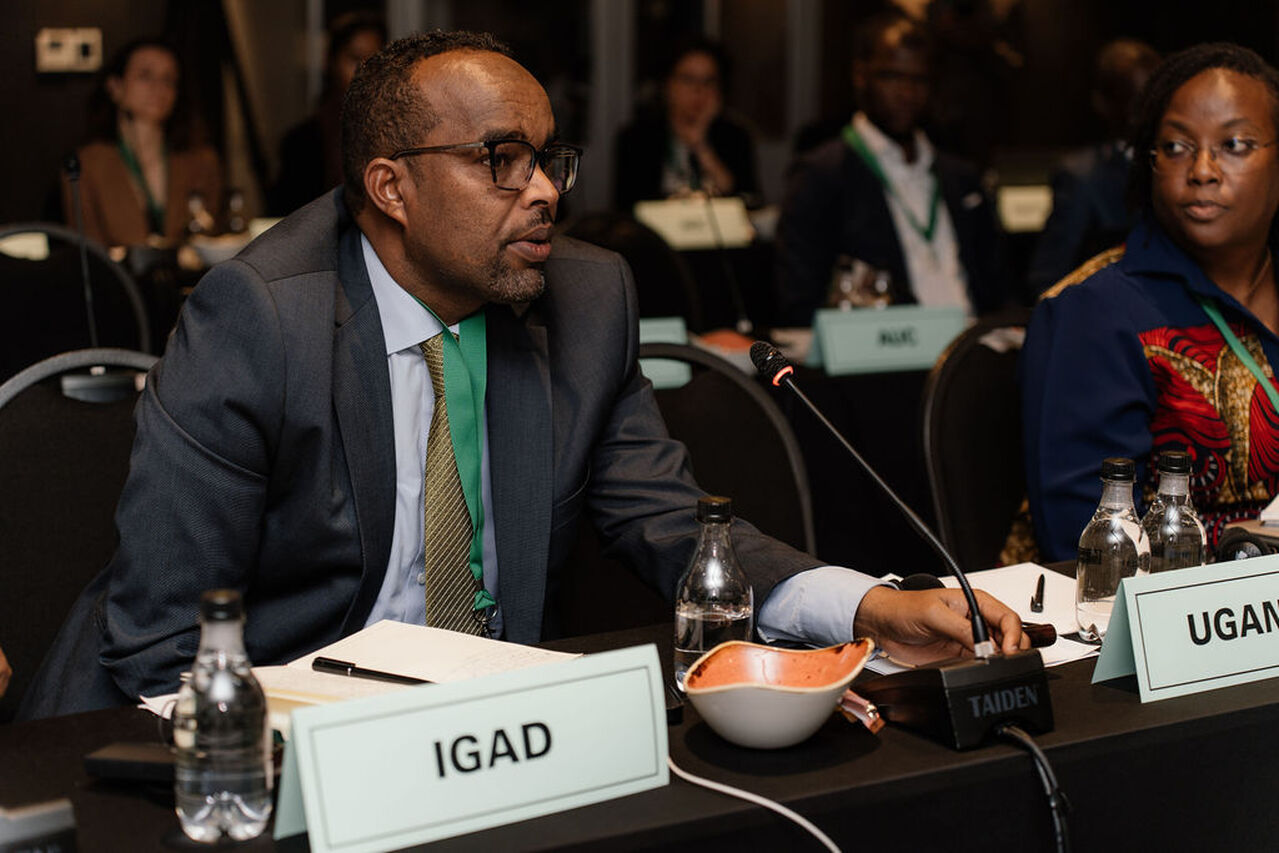
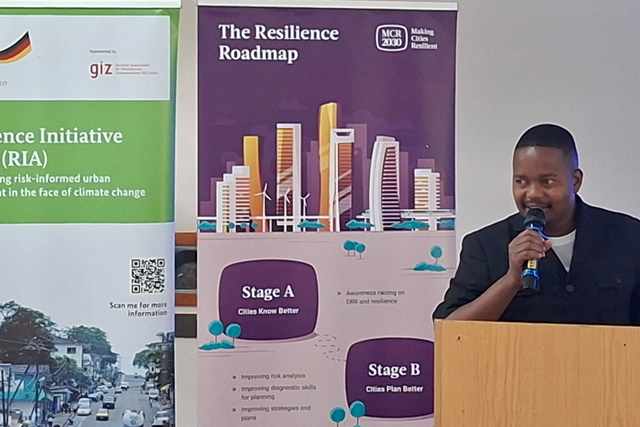
The meeting brought together AU Member States, Regional Economic Communities (RECs), multilateral and bilateral partners, international organizations, academia, civil society, and the media – all united by a shared mission of advancing urban resilience in Africa. Dr. Emmanuel Osuteye, the AURP Coordinator emphasized the importance of “…not just reducing disasters, but enhancing resilience, and strengthening cross-institutional coordination.” Ms. Ria Hidajat, the RIA Project Manager highlighted the need to “Move from diagnostics to implementation, and the need for more integrated and disaggregated data, especially for urban informal settlements to facilitate planning and implementation.”
The key takeaways:
There is an urgent and unmet need for urban resilience financing and strengthening capacities for organizations to develop bankable proposals for access to finance.
Discussions from the forum should reach the political leadership, policy makers and development partners working in urban space.
Education and research should include DRR topics at all levels of education to strengthen skills e.g. from the World Bank Resilience Academy in Tanzania.
There is a need to scale up promising practices e.g City GAP Fund, C40s and Cities Alliance have pilot projects that can be scaled up with adequate financing.
Knowledge Exchange must be at the core of cross-organizational learning e.g. Aqinile Partnership a collaboration by AUC, UNDP, UN Habitat, UNEP integrating climate risk assessments and adaptation strategies into urban planning.
It is imperative to amplify voices of the urban poor by empowering communities – especially omen, youth, and people with disabilities – in informal settlements through community-led data collection and strong collaboration with local authorities, and inclusive people-centred urban resilience.
Strengthening synergies, breaking institutional and policy silos to integrate plans across domains is beneficial for African countries to drive forward the agenda for #UrbanResilience, #DisasterRiskReduction, #ResilientCities and sustainable development across Africa.
This milestone reflects a growing recognition of the urgency to build resilient, inclusive, and sustainable African cities, in line with the Sendai Framework and climate and urban global and continental resilience frameworks. There is a broad recognition of the importance not only to respond to current risks but also prepare for future uncertainties, including rapid urbanization, migration patterns, and shifting socio-economic dynamics. This is in line with the Africa Agenda 2063 and The Geneva Call for Disaster Risk Reduction, 2025.