Building Urban Resilience, One City at a Time #LilongweCity
Disaster risk is increasing globally due to poverty, rapid urbanization, environmental degradation, and climate change. Over the past two decades, disasters have affected more than 4.4 billion people, caused over USD 2 trillion in damage, and claimed more than 1.3 million lives, with developing countries bearing the greatest burden. Urban areas are particularly exposed to rapid and often unplanned growth intensifies exposure and vulnerability to hazards.
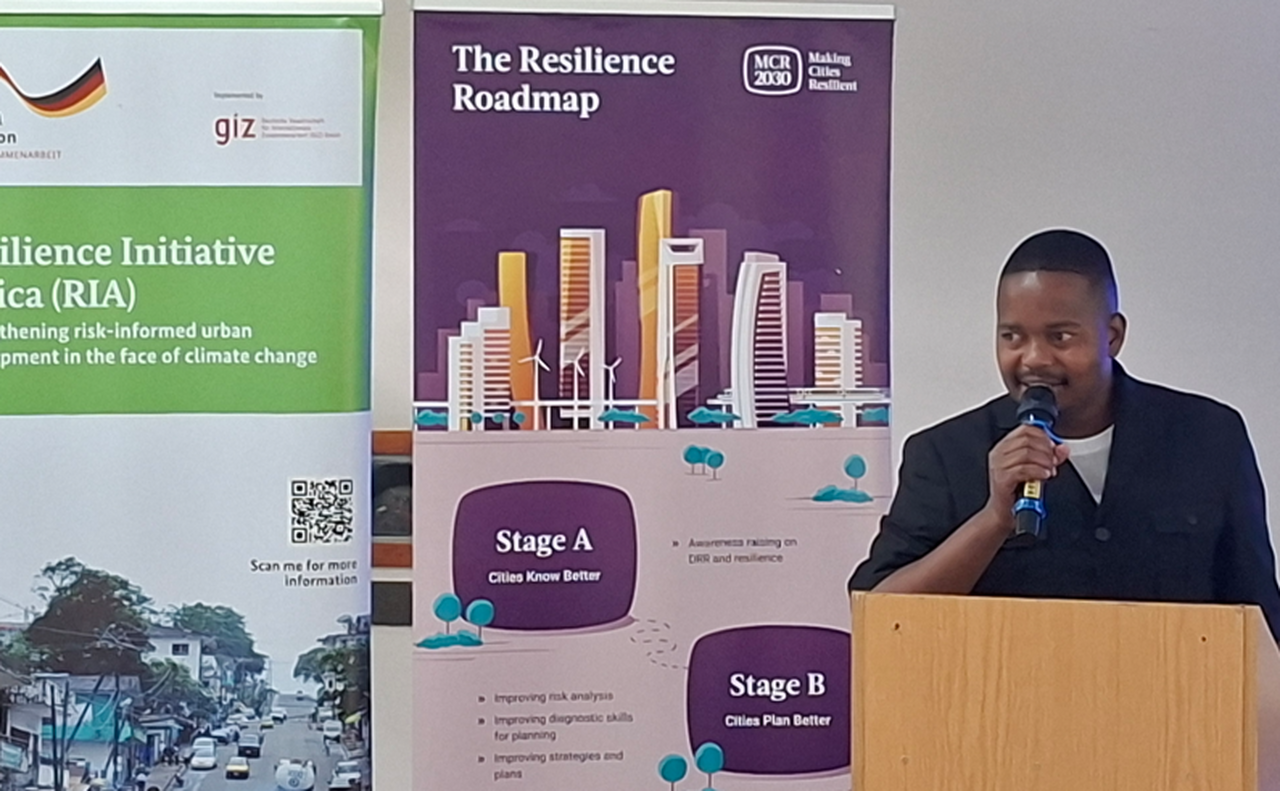
Malawi faces growing disaster risks from floods, droughts, storms, heatwaves, and earthquakes, with cities like Lilongwe increasingly exposed due to rapid urban growth and infrastructure pressures. According to the UNDRR Global Assessment Report 2025, hazards such as floods, storms, droughts, extreme heat and earthquakes are driving record losses. Strengthening how risk reduction and climate adaptation are integrated into development planning is therefore critical, yet gaps in awareness and policy implementation persist.
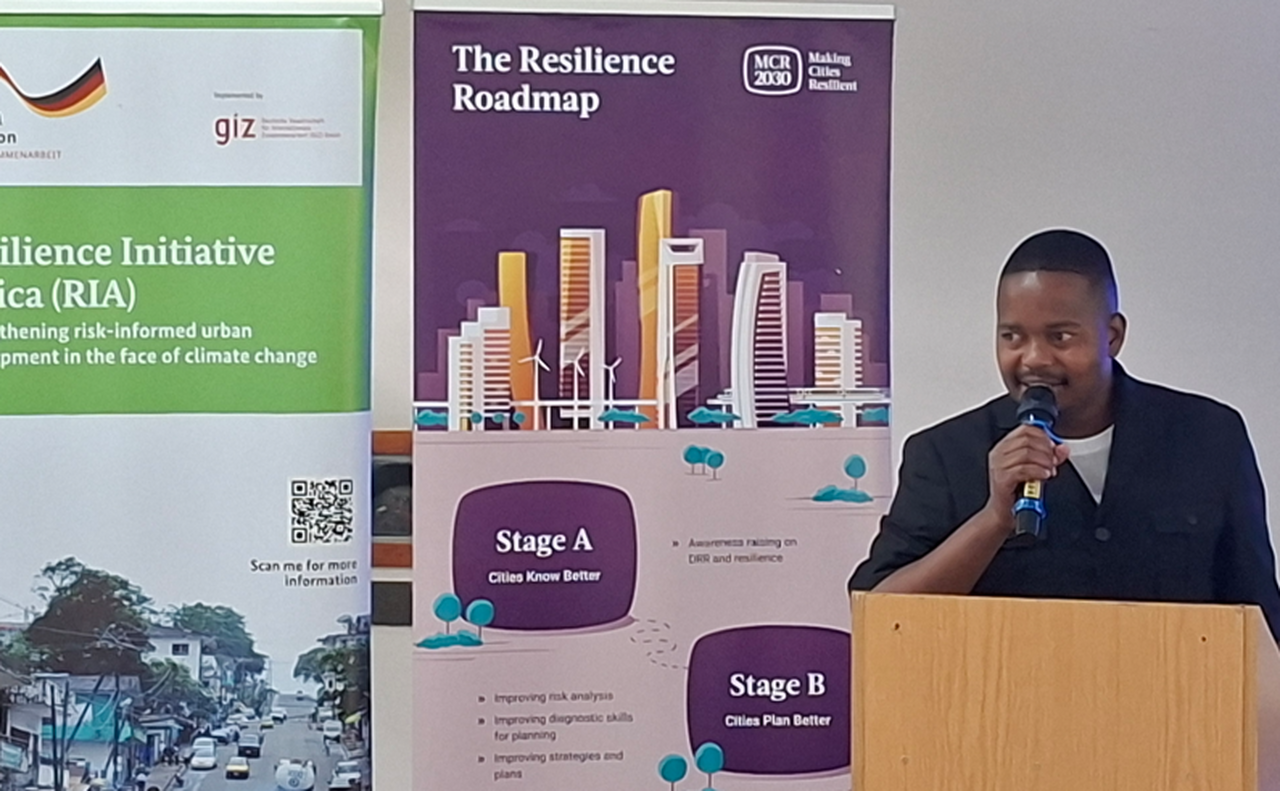
Recognizing the gaps for Lilongwe city for disaster risk management, Lilongwe City Council, in collaboration with Southern African Development Community (SADC) and with support from the German Government through the Deutsche Gesellschaft für Internationale Zusammenarbeit (GIZ) - Resilience Initiative Africa (RIA) and the United Nations Office for Disaster Risk Reduction (UNDRR) organized a capacity strengthening workshop.
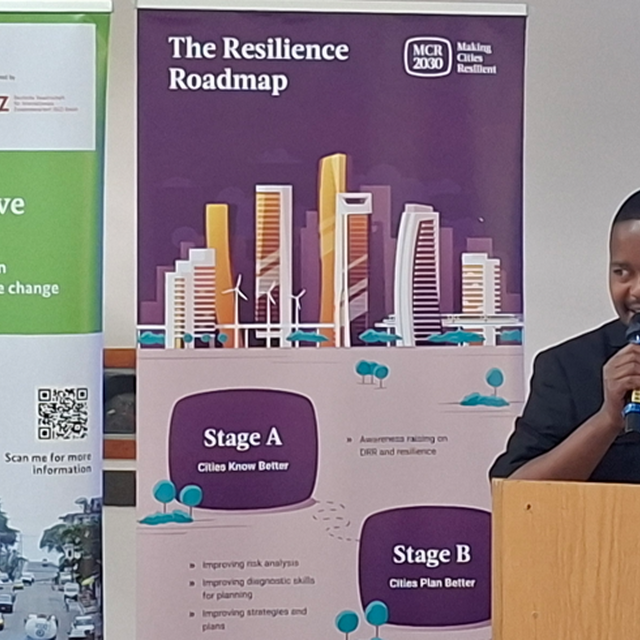
The workshop had backing and ownership by tthe leadershipof Lilongwe city ensuring adoption and implementation of action plans. The Mayor of Lilongwe City Council, His Worship Alex Peter Banda in his opening remarks underscored the timeliness of this initiative, reaffirming the city’s commitment to strengthening resilience and proactive risk governance.
To address this, Lilongwe City officials used the Words into Action (WiA) guidelines during the workshop to support the development of a local disaster risk strategy. The guidelines translate the Sendai Framework into practical steps, helping the city better understand its risk profile and identify realistic, people-centred actions to build resilience.
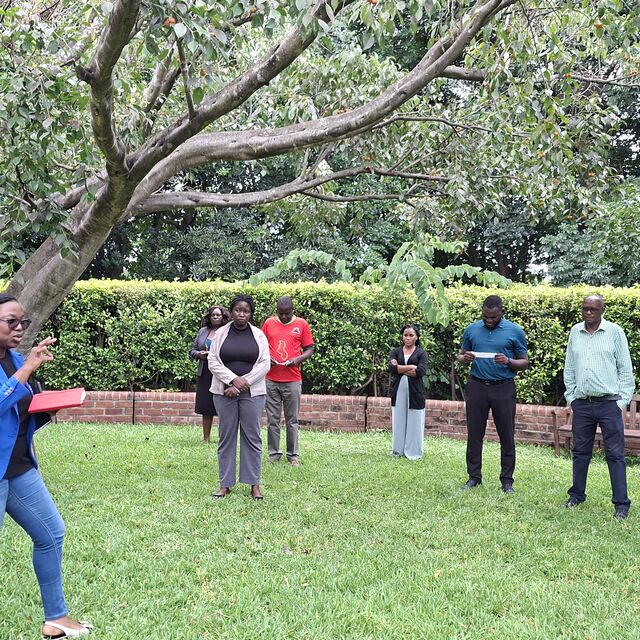
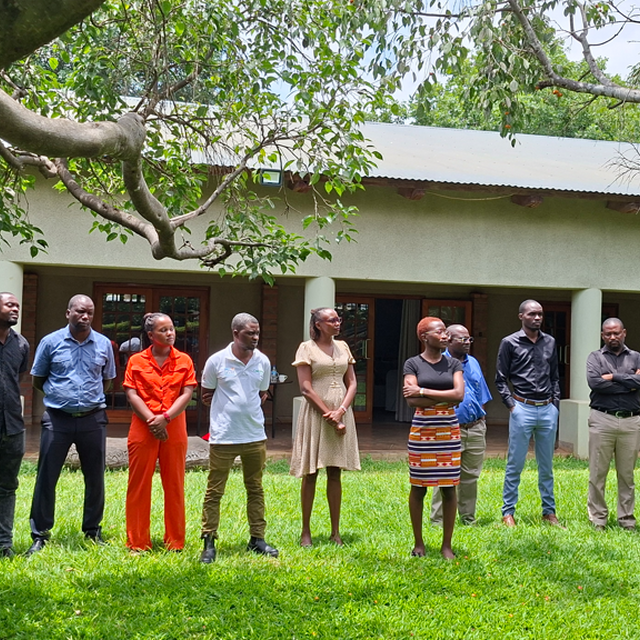
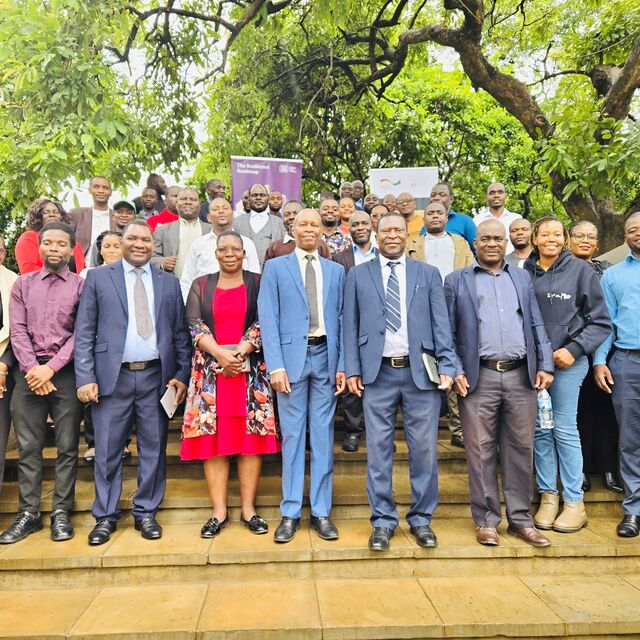
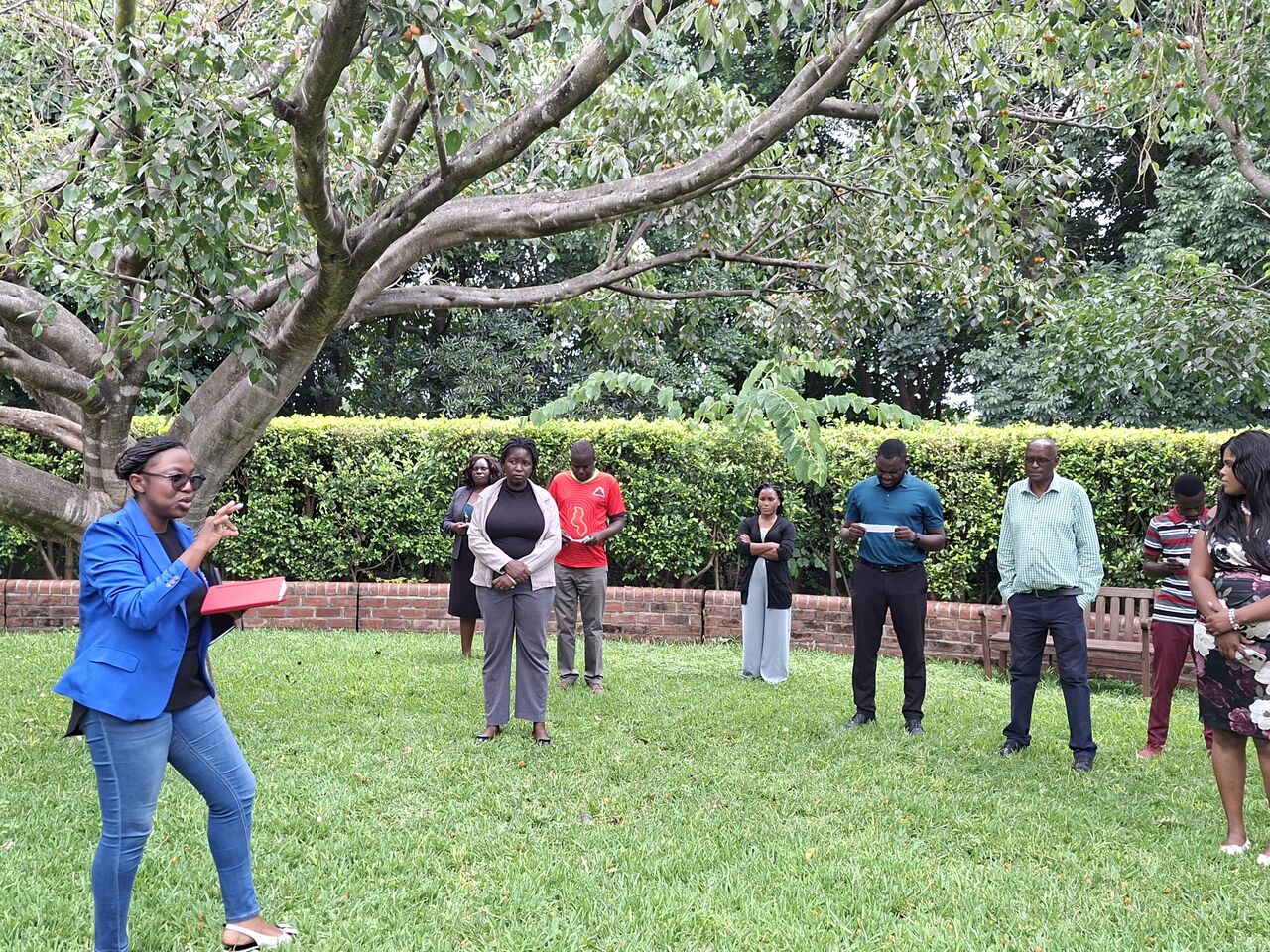
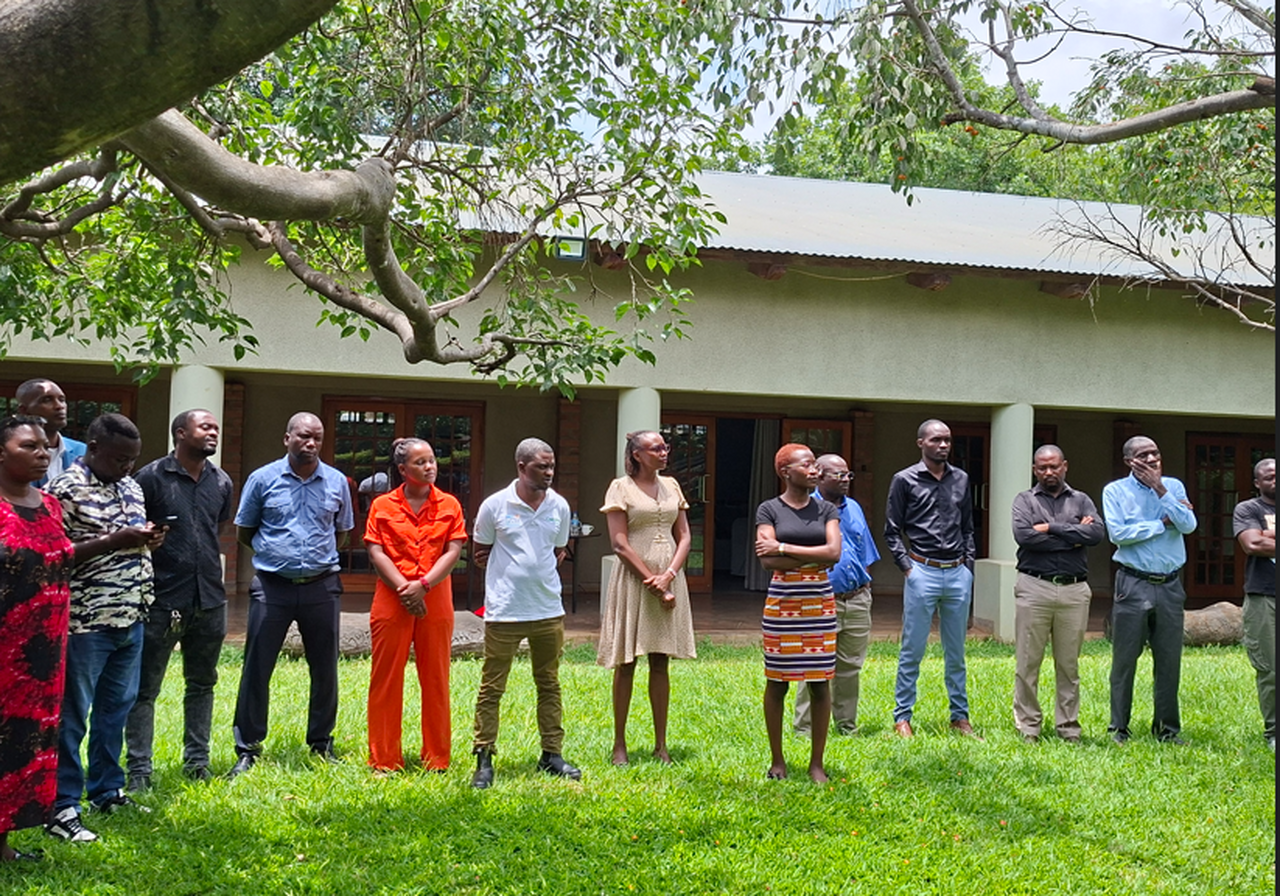
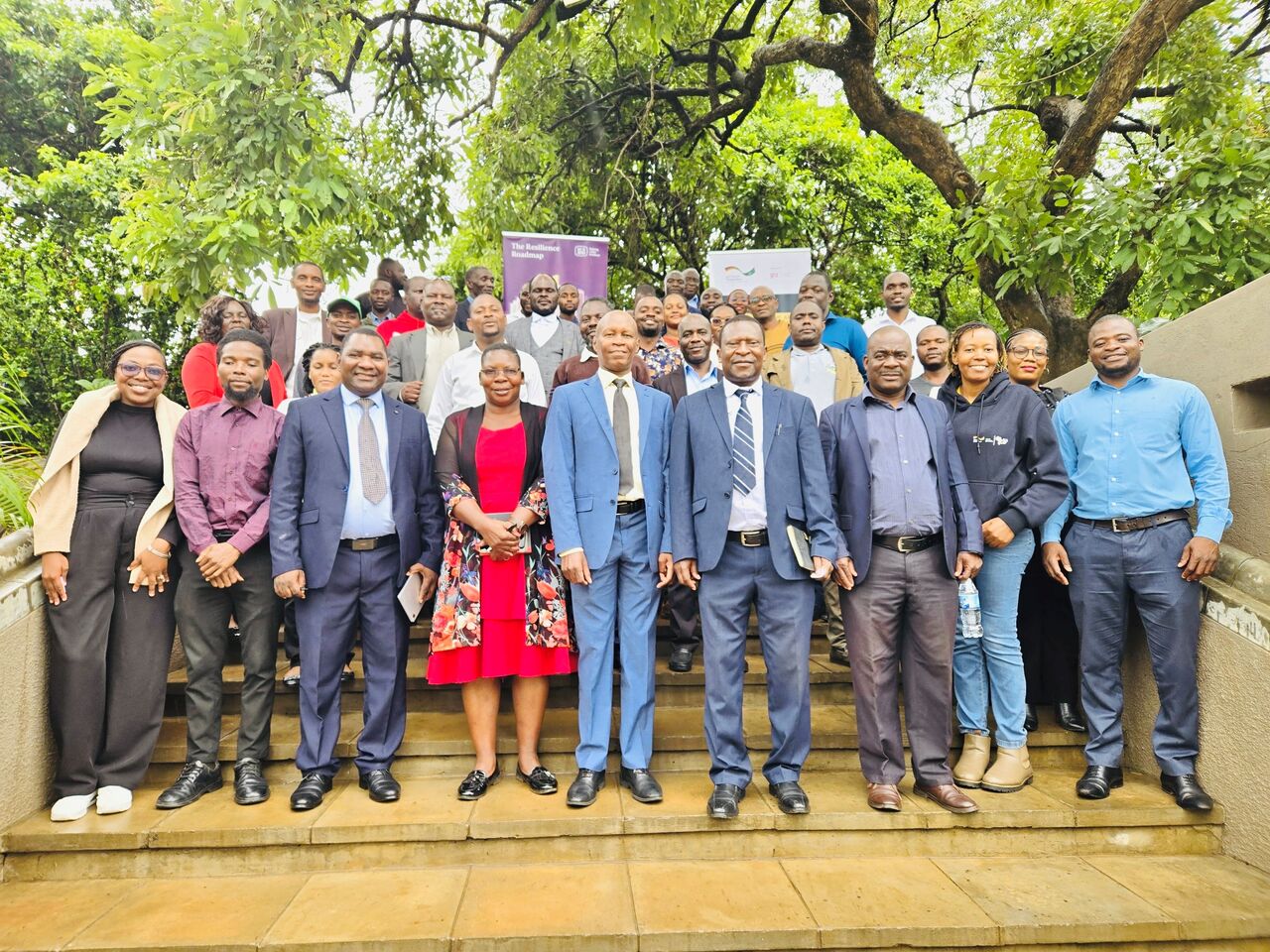
The workshop brought diverse voices to the table,drawn from key local and national government departments, City Planners, Finance, academia as well as civil society. To workshop aimed to strengthen the capacity of Lilongwe City Council and its stakeholders to plan, develop, and operationalize a comprehensive Local Disaster Risk Reduction Strategy that supports risk-informed urban development and resilience building. It was held in Lilongwe City, between, 9th to 13th February 2026.
“This review is not just a paper exercise, it a blueprint for the future of Lilongwe City. By aligning to the Sendai Framework and Making Cities Resilient standards, we are ensuring that every new road, bridge, and housing project is built with the next 50 years’ climate data in mind.”
The session gave an overview of gender and intersectionality and provided an important lens in which to understand how different groups experience, respond to and recover from different crises, including disasters, climate change impacts, urban challenges, and post-conflict situations. This collaborative effort marks the start of a transformative journey, building a foundation for proactive and inclusive disaster risk governance.