Building Resilient African Cities: Highlights from the International Conference on Disaster Risk Reduction and Resilience in Africa
African cities are facing increasingly interconnected risks, from climate-related hazards and rapid urbanisation to displacement and conflict. Addressing these challenges requires coordinated action, reliable risk information and inclusive approaches to urban development. From 13 to 15 October 2026, the International Conference on Disaster Risk Reduction and Resilience in Africa brought together African leaders, regional institutions, development partners and resilience practitioners in Maputo, Mozambique, to advance efforts towards a more disaster-resilient continent. Through its participation, GIZ's Resilience Initiative Africa (RIA) contributed to discussions on urban risk governance, risk-informed decision-making and the role of communities in building resilient cities.
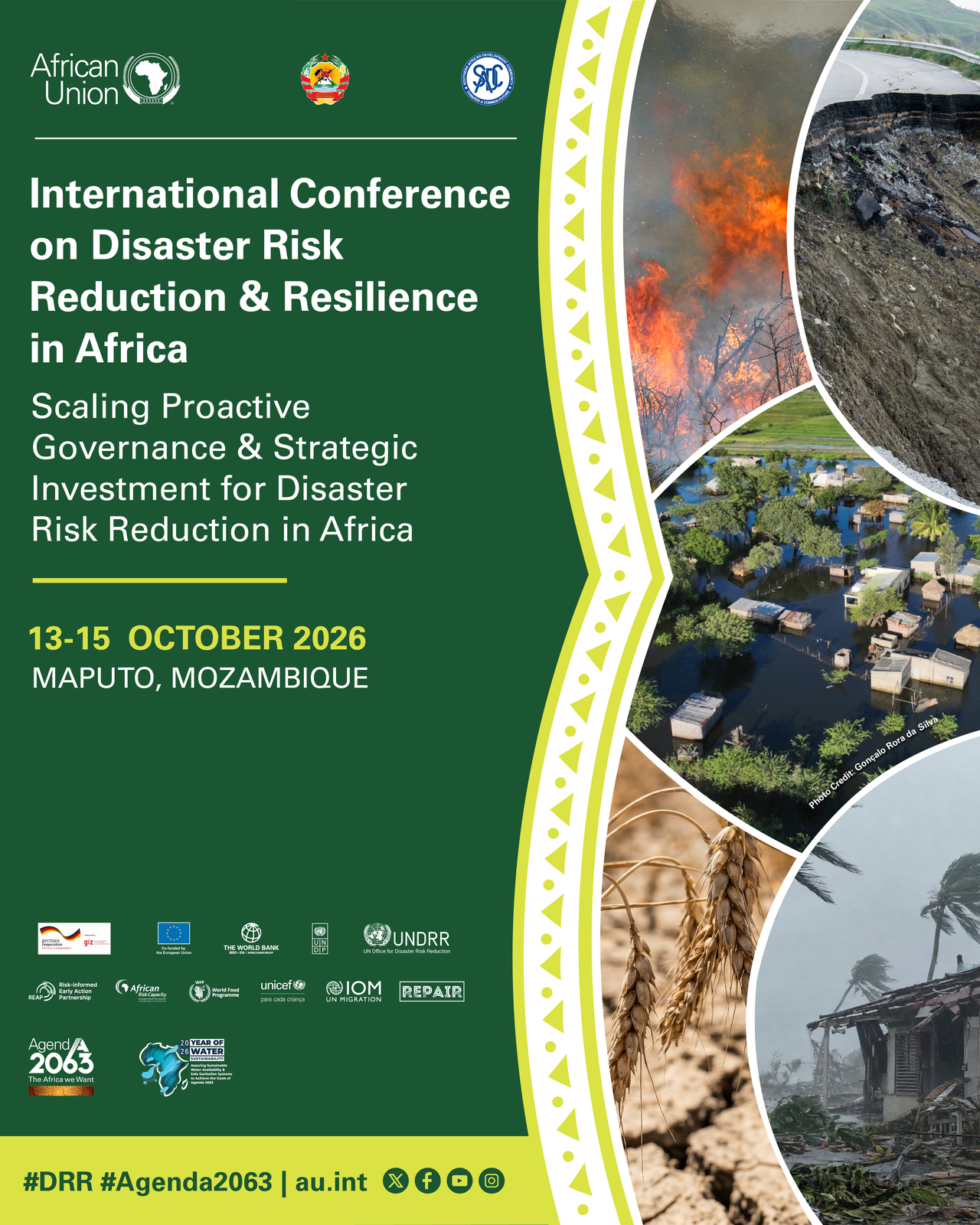

Held under the theme of strengthening disaster risk reduction and resilience in Africa, the conference provided a platform for African countries and regional partners to exchange experiences, reflect on progress and identify priorities for addressing the continent's growing disaster risks.
The conference was officially opened by H.E. Daniel Francisco Chapo, President of the Republic of Mozambique, and H.E. Moses Vilakati, Commissioner for Agriculture, Rural Development, Blue Economy and Sustainable Environment at the African Union Commission.
The opening ceremony also featured the launch of Africa's Fourth Biennial Report on the implementation of the Sendai Framework for Disaster Risk Reduction, highlighting progress and priorities for strengthening disaster resilience across the continent.
As part of its engagement, RIA contributed to several discussions and exchanges, bringing its experience in supporting risk-informed urban development and strengthening regional approaches to disaster risk reduction.
Pre-conference
During the pre-conference , on 12 October, RIA convened a roundtable titled 'Cities Under Pressure: Building Urban Resilience in the Context of Fragility, Conflict and Violence'. The discussion brought together representatives from the African Union Commission, the United Nations Office for Disaster Risk Reduction (UNDRR), the International Organization for Migration (IOM), the Southern African Development Community (SADC), Slum Dwellers International (SDI), the Global Facility for Disaster Reduction and Recovery (GFDRR), civil society organisations, local governments and development partners.
The exchange explored how climate-related hazards, displacement, conflict and rapid urbanisation increasingly interact, placing pressure on African cities, infrastructure and essential services. Participants highlighted the importance of moving beyond reactive disaster response towards prevention, anticipatory action and locally led resilience-building.
Discussions focused on five key areas: strengthening urban resilience through continental and multi-stakeholder cooperation; financing resilient infrastructure and maintaining essential services; promoting inclusive risk governance and social cohesion; recognising the value of community-generated data and locally led solutions in informal settlements; and strengthening risk information, institutional capacity and coordination.


During the main conference, RIA also contributed to sessions exploring how continental commitments can translate into practical action at city and regional levels.
From Continental Vision to Local Action: Advancing Urban Risk Governance in Africa
On 13 October, RIA took the lead in organising the session 'From Continental Vision to Local Action: Advancing Urban Risk Governance in Africa', in collaboration with its partners. The session brought together urban leaders and resilience practitioners to discuss how continental commitments can be translated into practical action at the city level.
A key moment was the launch of a new urban resilience action document, developed following the African Continental Dialogue Symposium held in Cape Town earlier in 2026.
Bringing together priorities and commitments shaped by more than 20 African city leaders and urban practitioners, the document establishes a shared agenda for advancing urban resilience across the continent. Germany supported its development through the GIZ’s Resilience Initiative Africa (RIA) in partnership with ICLEI Africa and the African Union Commission.


From Data to Action: Using the SADC INFORM Subnational Risk Index to Strengthen Risk-Informed Decision Making
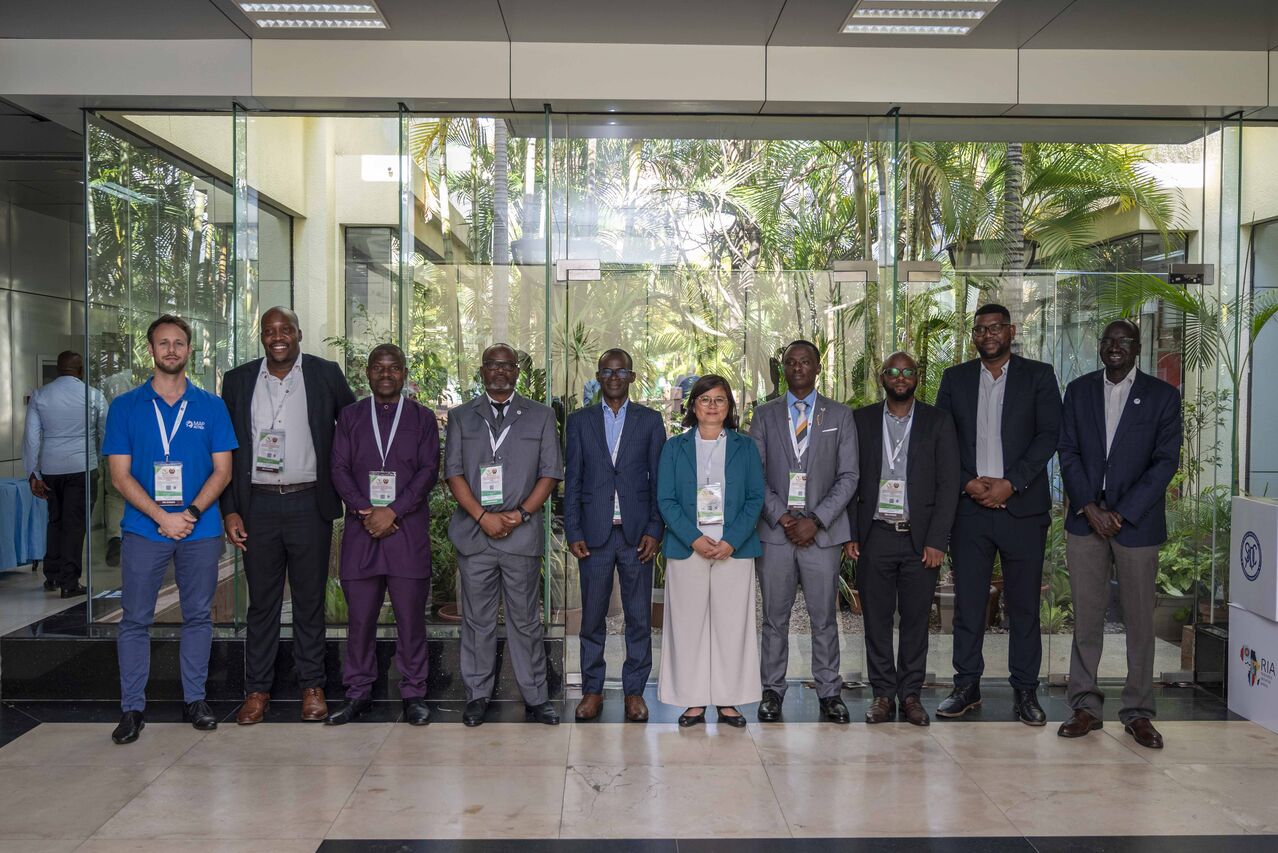
On the second day of the conference, RIA joined the SADC secretariat, UNDP and MapAction to host the side event on 'From Data to Action: Using the SADC INFORM Subnational Risk Index to Strengthen Risk-Informed Decision-Making', the session demonstrated how the INFORM Risk Model can help identify disaster risk hotspots and support better risk-informed planning at regional, national and local levels.
By bringing together information on exposure to hazards, vulnerability and communities' capacity to cope, the tool provides valuable insights that can help guide investment, strengthen preparedness and support more targeted interventions. The discussion highlighted the importance of translating reliable risk information into practical decisions that address the needs of communities and strengthen resilience. The German Embassy in Mozambique also emphasised the value of incorporating risk information into development planning, supporting early action and fostering regional cooperation.


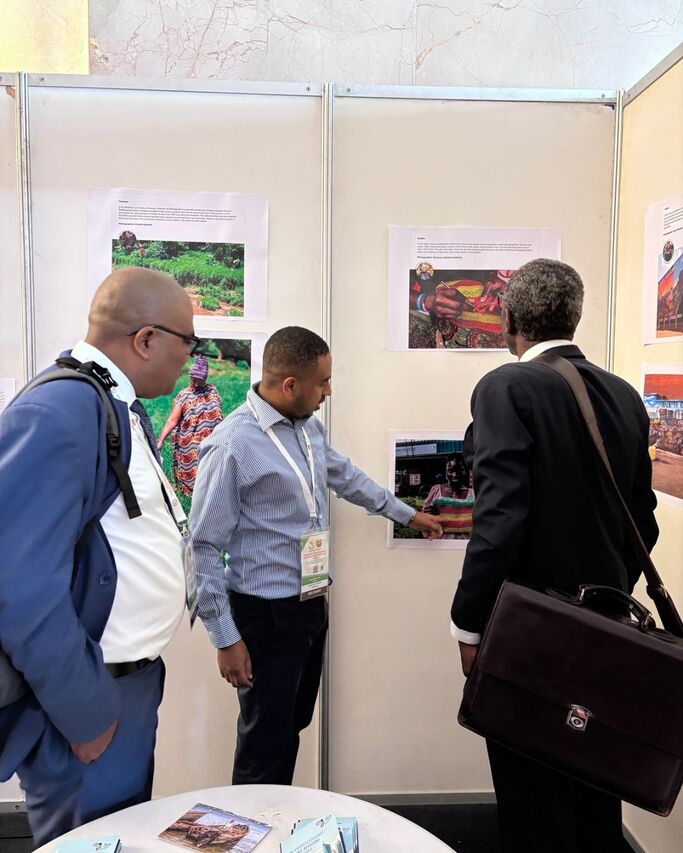
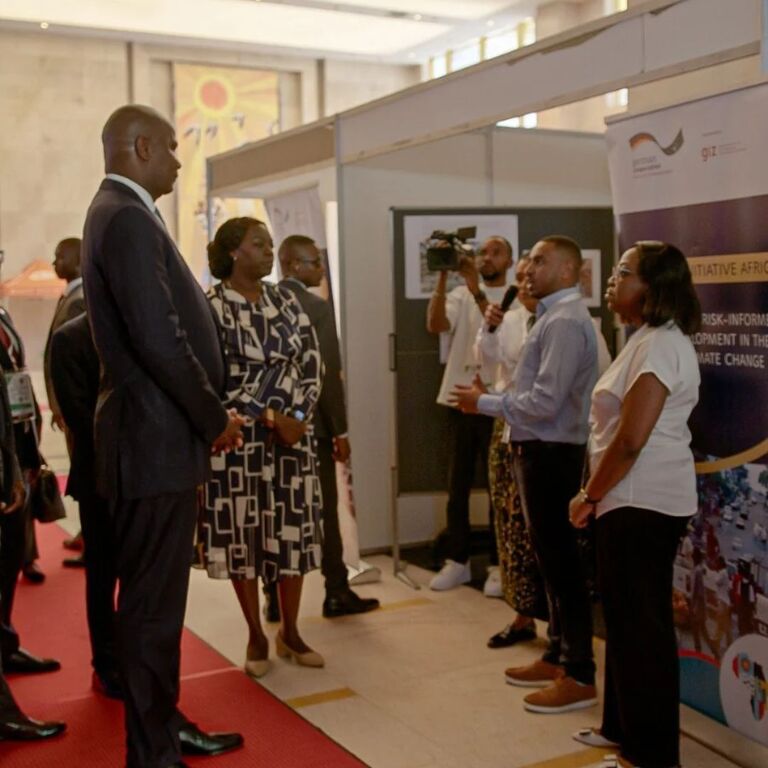
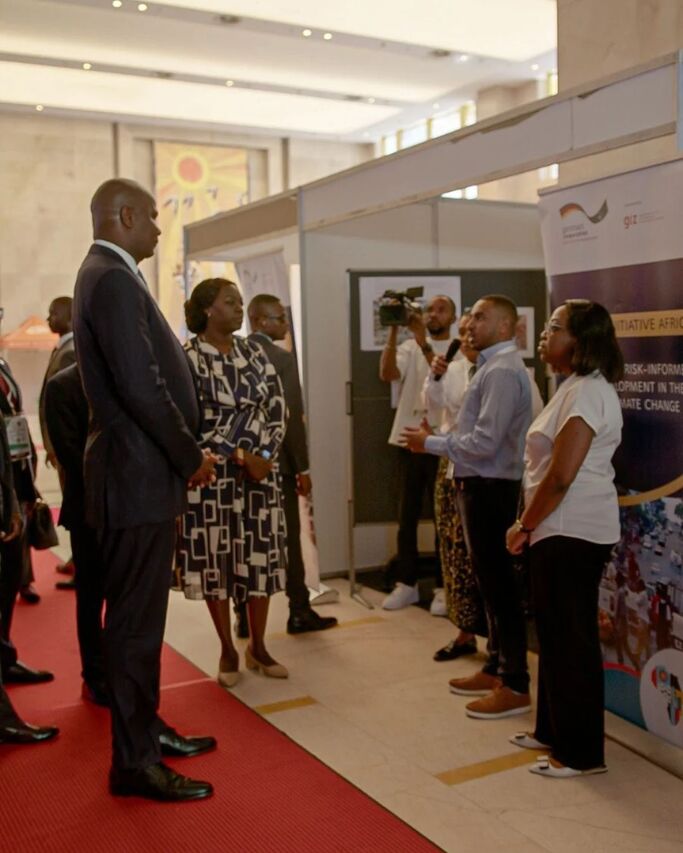
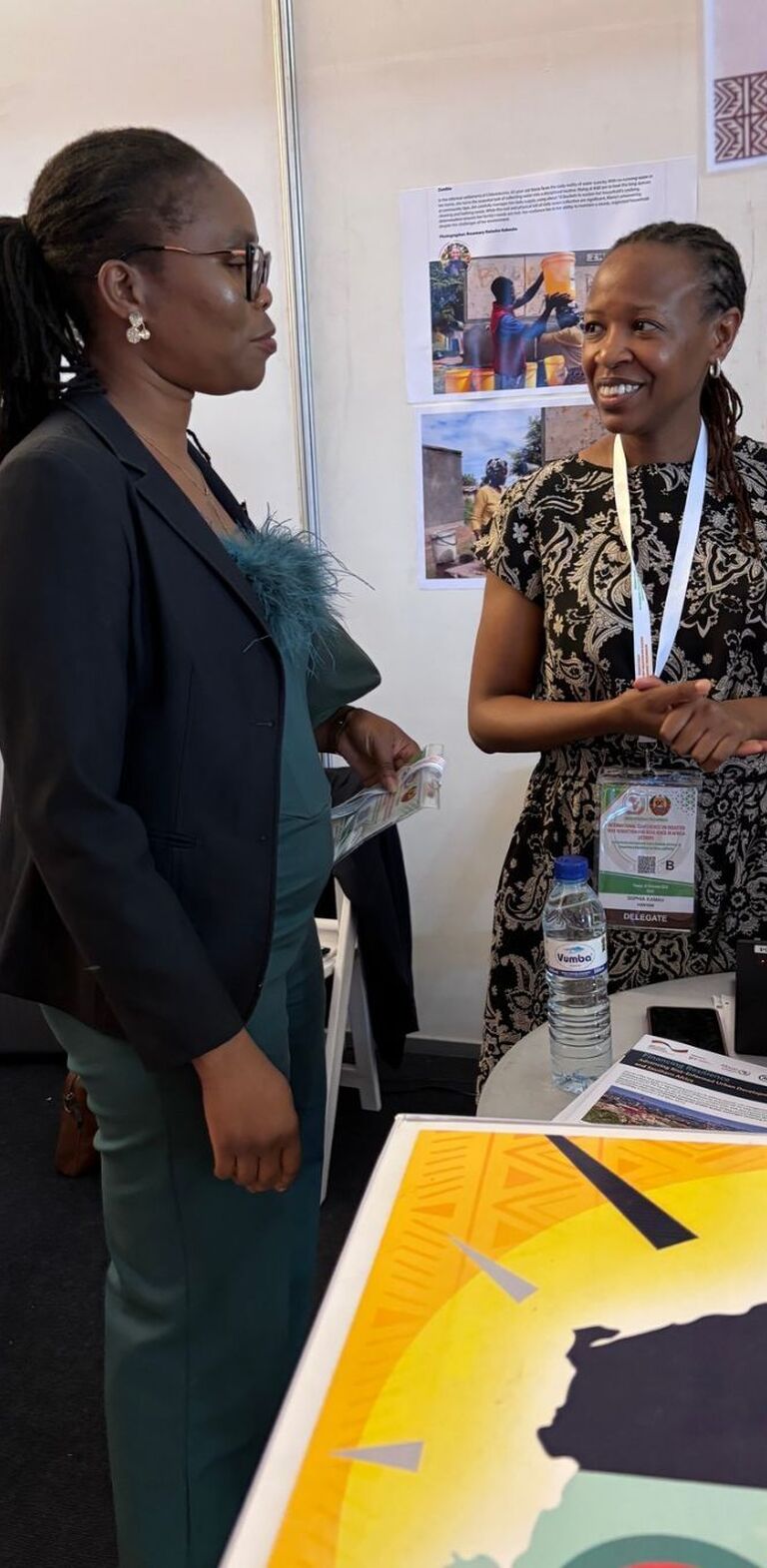
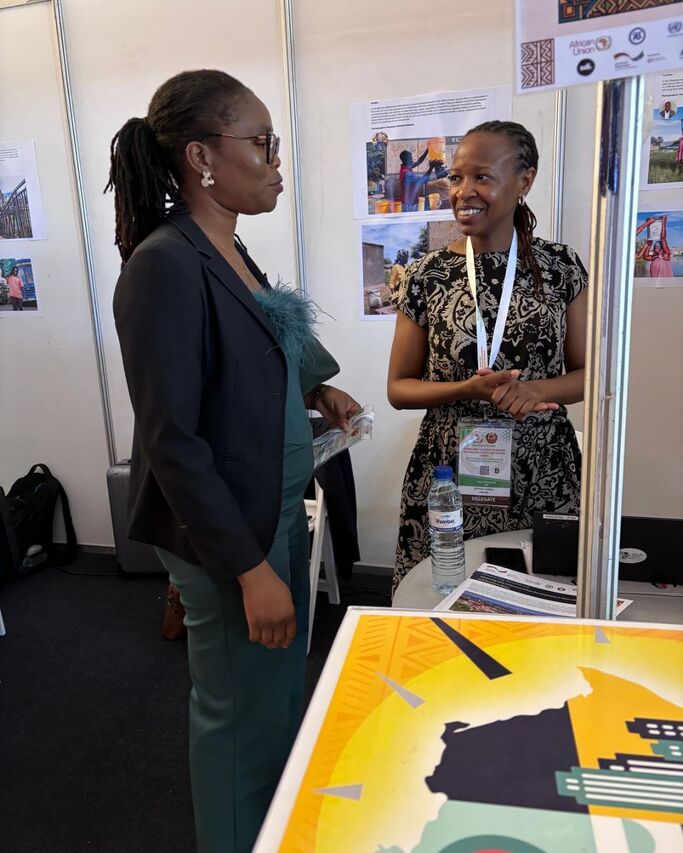
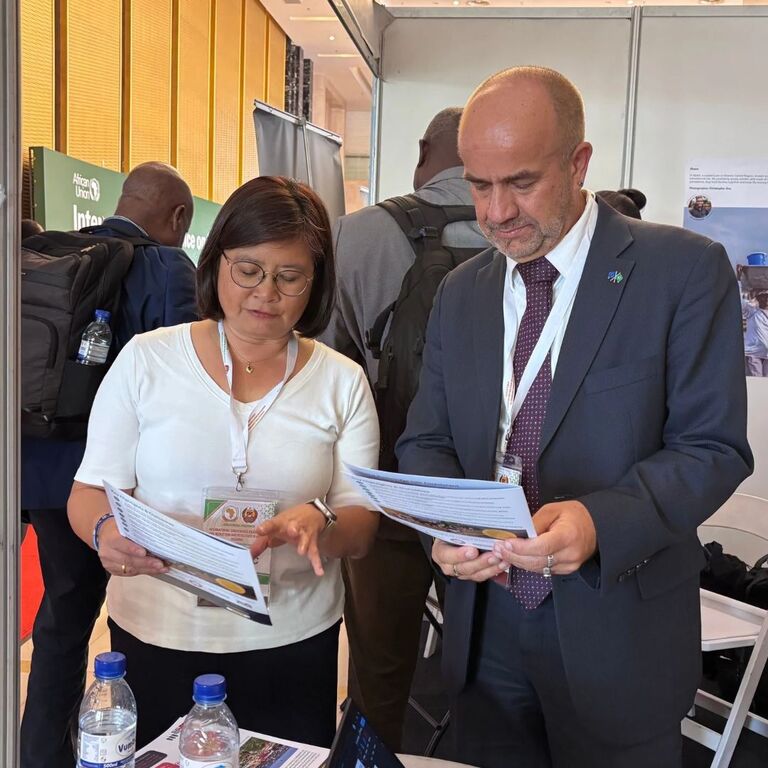
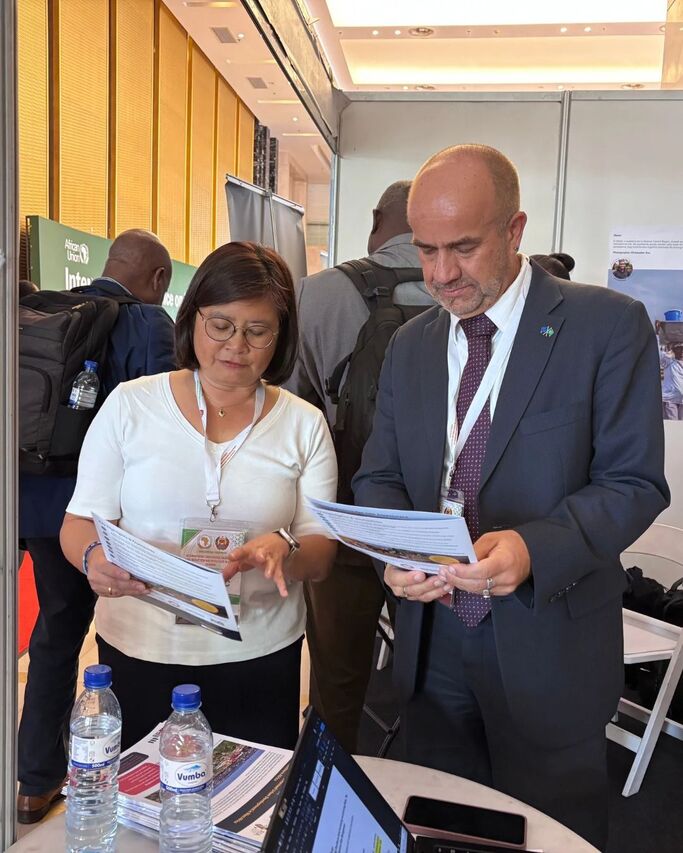
Beyond the technical discussions, RIA's involvement extended to knowledge sharing and public engagement throughout the conference. The project showcased its work and communication products at the RIA exhibition booth, providing participants with an opportunity to learn more about its activities, resources and contributions to urban resilience.
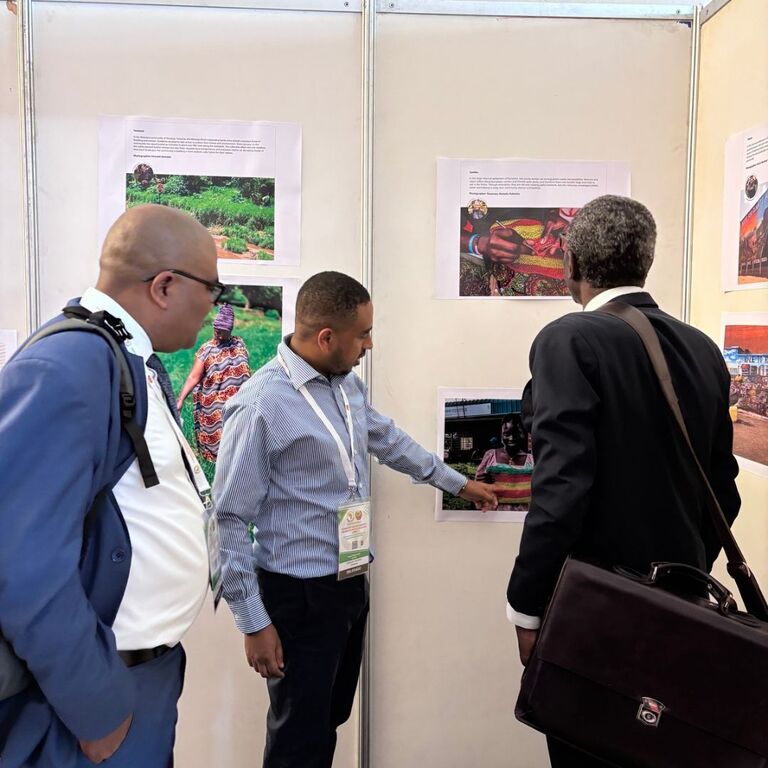
The virtual photography exhibition 'Resilience Through Our Eyes' was also showcased throughout the conference. The initiative brings together young people's perspectives on resilience through photography and storytelling, highlighting how communities experience, understand and respond to different forms of risk. By bringing these perspectives into a continental platform, the exhibition offered a human-centred dimension to discussions on disaster risk reduction and resilient urban development.


The conference concluded with renewed attention to the importance of strengthening cooperation, improving the use of risk information and translating regional and continental commitments into action. Discussions throughout the event reinforced that building resilient African cities requires more than technical solutions and infrastructure investments. It also depends on inclusive governance, meaningful community participation, reliable information and sustained collaboration between institutions and partners.